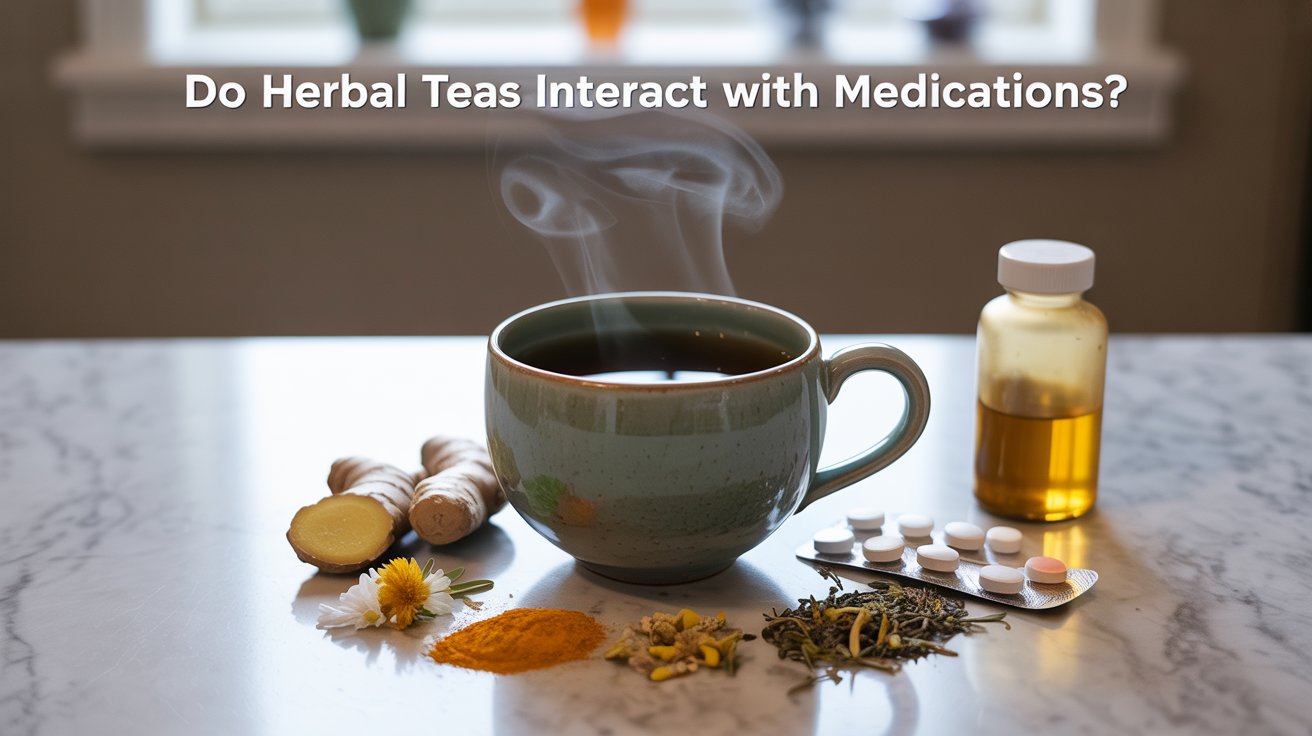
Herbal teas are loved worldwide for their calming flavors and natural wellness benefits. From chamomile for relaxation to green tea for metabolism, these drinks are often seen as a healthy daily ritual. But there’s an important question many people overlook:
Can herbal teas interact with medications?
The short answer: Yes some herbal teas can affect how medications work in your body. This doesn’t mean you need to stop drinking tea altogether, but it does mean you should understand which herbs can interfere with your prescriptions and how to consume them safely.
In this updated 2025 guide, we’ll explore how herbal teas interact with medications, the most common risky combinations, and safe ways to keep tea in your routine without compromising your health.
How Herbal Teas Interact with Medications
Herbal teas contain active plant compounds such as flavonoids, alkaloids, and polyphenols that can influence how your body absorbs, metabolizes, or eliminates drugs.
Depending on the herbs and your prescriptions, these interactions can:
-
Reduce a drug’s effectiveness (making it less potent).
-
Increase the risk of side effects, such as drowsiness or bleeding.
-
Alter blood sugar or blood pressure, complicating treatment for chronic conditions.
A 2024 report by the U.S. National Center for Complementary and Integrative Health (NCCIH) emphasized that while herbal teas are generally safe, combining them with prescription drugs should always be approached with caution.
Common Herbal Teas and Their Possible Interactions
1. Green Tea
Green tea is antioxidant-rich and supports metabolism, but it contains vitamin K and caffeine, which can:
-
Reduce the effect of blood thinners like warfarin.
-
Increase heart rate when combined with stimulant medications.
-
Interfere with certain beta-blockers and antidepressants.
Safe Tip: Limit intake to one cup daily and avoid combining with medications without consulting your doctor.
2. Chamomile Tea
Chamomile promotes calm and sleep, but it can enhance the effects of sedatives or increase bleeding risk when taken with anticoagulants such as aspirin or warfarin.
It can also trigger allergic reactions in those sensitive to ragweed or daisies.
Safe Tip: Drink at night in moderate amounts and avoid before surgery or while taking sedatives.
3. Ginger Tea
Ginger tea improves digestion and eases nausea, but it’s also a natural blood thinner. It may:
-
Increase bleeding risk when taken with anticoagulant or antiplatelet drugs.
-
Lower blood sugar, potentially affecting diabetes medications.
Safe Tip: Use sparingly if you’re on blood-thinning medication or insulin.
4. Turmeric Tea
Turmeric’s curcumin compound offers powerful anti-inflammatory benefits but it also affects the liver enzymes that metabolize drugs. It can interfere with:
-
Diabetes medications, leading to low blood sugar.
-
Blood-thinning drugs, raising bleeding risk.
-
Antacids and reflux medications, worsening heartburn in some cases.
Safe Tip: Limit turmeric tea to a few times per week unless cleared by your healthcare provider.
5. Peppermint Tea
Peppermint soothes the stomach but can relax the lower esophageal sphincter, which may worsen acid reflux symptoms. It can also alter absorption of antacids and certain heartburn medications.
Safe Tip: Avoid peppermint tea if you take reflux or GERD medications.
6. Licorice Root Tea
Licorice is used for coughs and digestion, but in excess, it can raise blood pressure and interfere with heart medications (like digoxin or diuretics).
It may also cause potassium depletion, leading to fatigue or cramps.
Safe Tip: Choose deglycyrrhizinated licorice (DGL) versions or skip this tea if you have heart conditions.
Who Should Be Especially Cautious
Certain individuals are more vulnerable to herb-drug interactions, including:
-
People taking blood thinners, heart meds, or diabetes drugs
-
Pregnant or breastfeeding women
-
Older adults managing multiple prescriptions
-
Those with chronic conditions like hypertension, autoimmune disease, or liver issues
If you fall into any of these groups, it’s wise to consult your doctor or pharmacist before drinking new herbal teas regularly.
Safety Tips for Drinking Herbal Tea with Medications
You don’t need to avoid herbal teas completely just enjoy them wisely. Here’s how:
-
Check with your healthcare provider before introducing a new herbal tea.
-
Limit to 1–2 cups per day if unsure about interactions.
-
Avoid concentrated herbal extracts unless prescribed.
-
Start with one tea at a time to observe your body’s reaction.
-
Choose safer teas with minimal known interactions like rooibos or hibiscus.
Safer Herbal Teas for Everyday Use
These teas have few to no known interactions and can be safely enjoyed daily:
-
Rooibos Tea — caffeine-free, rich in antioxidants, and gentle on the stomach.
-
Hibiscus Tea — refreshing and heart-healthy (though it may slightly lower blood pressure).
-
Balanced herbal blends — formulated to promote wellness without harsh side effects.
One example is All Day Slimming Tea, which combines gentle herbs like green tea, oolong, dandelion, and ginger in safe proportions. It’s designed to support metabolism, digestion, and energy without the risky concentrations that can cause interactions.
Many users report improved focus, less bloating, and better energy without medication interference.
Conclusion
So, do herbal teas interact with medications?
Yes certain teas like green tea, chamomile, turmeric, and ginger can alter how your body processes medications. But that doesn’t mean you have to skip your favorite brew.
With moderation, awareness, and smart choices, you can safely enjoy herbal tea alongside your prescriptions.
When in doubt, opt for low-interaction teas or professionally formulated blends like All Day Slimming Tea, designed for safe daily wellness support.
Leave a Reply