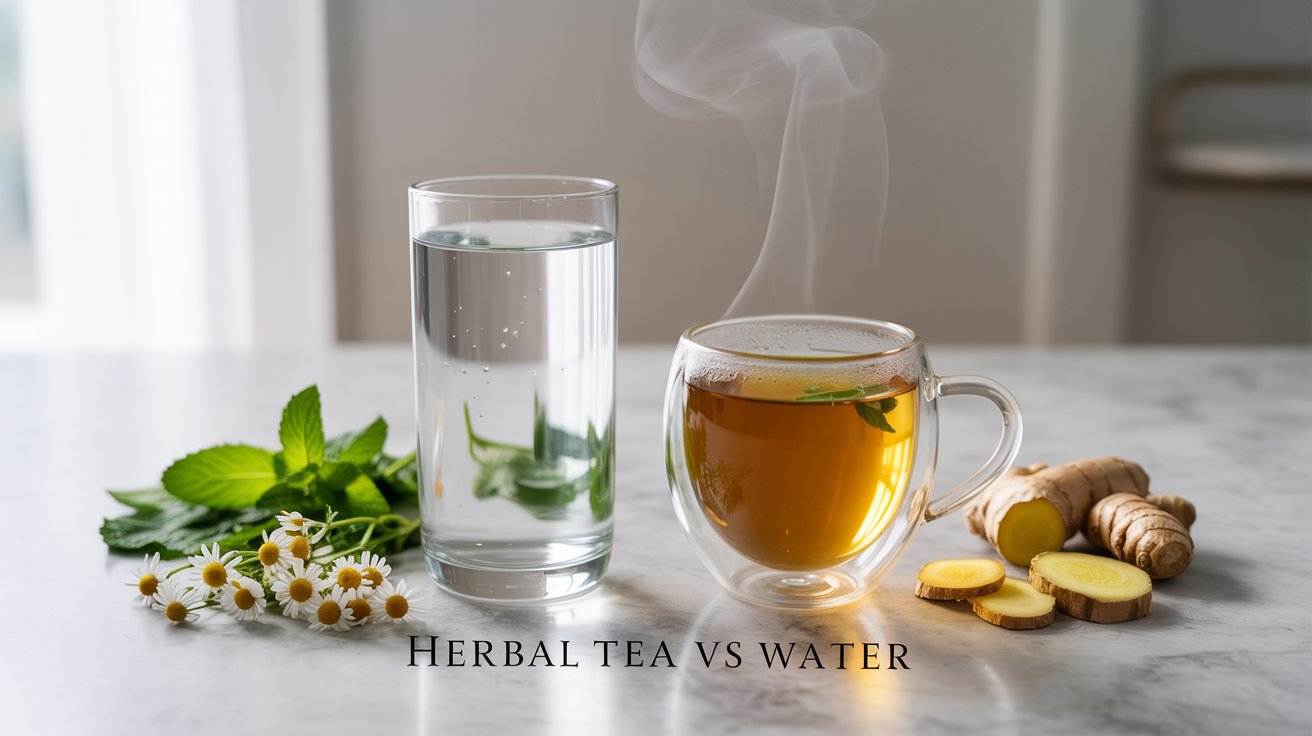
Staying hydrated is one of the simplest yet most powerful ways to support your body’s energy, focus, and long-term health. But in 2025, as more people replace plain water with herbal infusions, a new question has emerged: Is herbal tea just as hydrating as water or even better?
Recent studies and wellness trends suggest that herbal teas do more than hydrate. They deliver plant-based compounds that can improve digestion, balance electrolytes, and even help regulate metabolism. Let’s explore the science behind hydration and see how herbal tea and water compare in real-world benefits.
The Role of Water: The Foundation of All Hydration
Water remains the body’s most essential nutrient. It makes up about 60% of an adult’s body weight and supports every biological process. When you drink enough water, you’re enabling your body to:
-
Transport oxygen and nutrients efficiently
-
Support metabolism and cellular energy
-
Flush toxins through the kidneys
-
Lubricate joints and muscles
-
Regulate temperature and brain function
According to the National Academies of Sciences (2024 update), adults should consume about 2.7 liters (women) and 3.7 liters (men) of total fluids per day this includes water, herbal tea, soups, and even fruits with high water content.
However, many people find plain water boring, leading to underhydration. That’s where herbal teas come in as a flavorful, nutrient-rich alternative.
Herbal Tea and Hydration: More Than Just Water with Flavor
Herbal tea is essentially water infused with herbs, flowers, or roots, meaning it’s naturally hydrating. Unlike coffee or black tea, most herbal blends are caffeine-free, so they don’t cause the mild diuretic effect associated with caffeinated beverages.
Why Herbal Teas May Hydrate Better Than Plain Water
Modern hydration research highlights a concept called the Beverage Hydration Index (BHI) a measure of how long a drink keeps you hydrated. Herbal teas, due to their mineral and antioxidant content, often maintain hydration longer than plain water, especially when made with ingredients like hibiscus, rooibos, or chamomile that have mild electrolyte properties.
Different herbs also bring unique functional benefits:
| Herbal Tea Type | Primary Benefit | When to Drink |
|---|---|---|
| Chamomile | Calms the nervous system, supports sleep | Evening |
| Peppermint | Eases digestion, reduces bloating | After meals |
| Ginger | Boosts immunity, warms the body | Morning or cold weather |
| Turmeric | Reduces inflammation, supports joints | Post-workout |
| Hibiscus | Supports heart health, balances blood pressure | Midday hydration |
Herbal Tea vs Water: A 2025 Comparison
| Criteria | Water | Herbal Tea |
|---|---|---|
| Hydration Effectiveness | Excellent | Excellent – equally hydrating |
| Nutrients | None | Rich in antioxidants, flavonoids, and minerals |
| Calories | 0 | 0 (unsweetened) |
| Caffeine | None | Usually caffeine-free |
| Flavor Variety | Neutral | Dozens of natural options |
| Extra Health Benefits | Basic hydration only | Digestion, immunity, anti-inflammatory support |
As of 2025, dietitians often recommend rotating between both drinking plain water during high-intensity activities and herbal teas throughout the day to maintain hydration and nutrient intake.
Does Herbal Tea Count as Water Intake?
Yes, absolutely. Herbal teas count toward your total daily fluid intake.
According to the British Nutrition Foundation (2024 report), caffeine-free herbal teas provide equivalent hydration to water. The long-held belief that tea dehydrates you is outdated, it only applies to high-caffeine drinks consumed in large amounts.
So, if you drink 3 cups of herbal tea daily, that’s roughly 700–800 ml of water-equivalent hydration added to your fluid goals.
Herbal Tea vs Water for Weight Loss and Detox
When it comes to weight management, hydration plays a key metabolic role. Studies in 2025 continue to show that drinking water before meals reduces calorie intake by up to 13%, but herbal teas go a step further.
-
Ginger tea helps regulate blood sugar and appetite.
-
Peppermint tea improves digestion and reduces bloating.
-
Lemon balm and green rooibos may help reduce fat storage and water retention.
-
All Day Slimming Tea, a specially formulated blend, combines herbs that support metabolism, fat burning, and digestion while keeping the body hydrated.
When to Choose Herbal Tea vs Water
Both beverages are excellent for hydration, but each shines in different contexts:
Choose Water When:
-
You need rapid rehydration after sweating or exercise
-
You’re managing heat exposure or dehydration
-
You want zero flavor or additives
Choose Herbal Tea When:
-
You’re seeking a relaxing, flavorful drink
-
You want specific health benefits (digestion, immunity, sleep)
-
You’re replacing sugary or caffeinated beverages
For best results, alternate between both throughout the day think of water as your baseline and herbal tea as your “functional hydration.”
Safety and Expert Tips
While herbal teas are safe for most people, keep these 2025 expert recommendations in mind:
-
Limit any single herb to 3–4 cups per day.
-
Pregnant or breastfeeding women should avoid certain herbs like licorice or hibiscus without medical advice.
-
Always choose organic, additive-free teas to prevent pesticide residue.
-
If you take medications, check for herb-drug interactions (e.g., ginger and blood thinners).
Final Verdict: Water vs Herbal Tea: The Best of Both Worlds
So, is herbal tea better than water?
In short both are essential, but herbal tea wins in versatility. It hydrates just as effectively as water while adding antioxidants, minerals, and natural compounds that support digestion, metabolism, and relaxation.
Leave a Reply