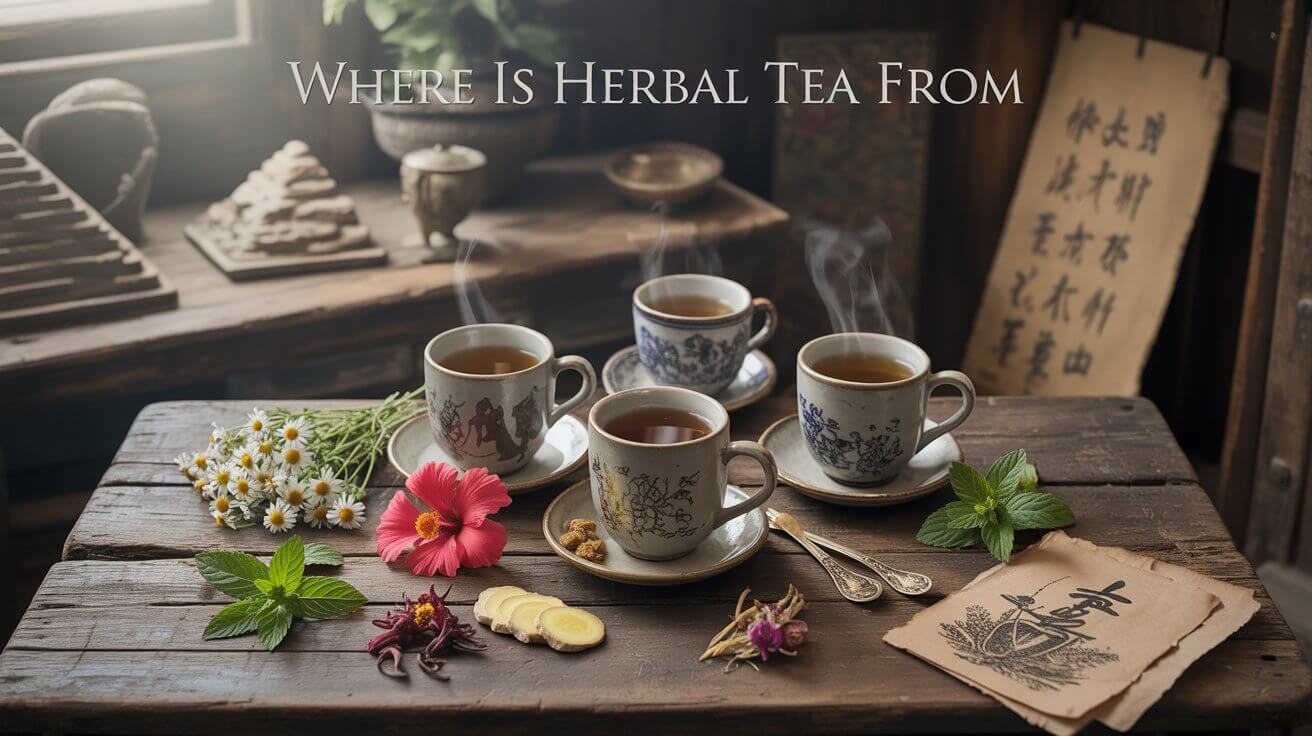
When people ask, “Where is herbal tea from?” the answer isn’t tied to a single country, it’s a journey across time, culture, and wellness traditions. Herbal tea, unlike green or black tea derived from Camellia sinensis, comes from a wide array of plants roots, flowers, fruits, and herbs each region adding its own healing wisdom.
From Ancient China’s ginseng brews to Egypt’s hibiscus infusions, herbal teas were humanity’s first medicine, comfort drink, and wellness ritual. And as of 2025, they’ve made a powerful comeback now linked not just to healing and relaxation, but also to detox, metabolism, and natural weight management.
Let’s explore how herbal tea evolved across continents and how its ancient roots inspire modern blends like All Day Slimming Tea, designed to merge traditional plant wisdom with modern wellness science.
Ancient Origins: The First Herbal Infusions
The story of herbal tea stretches back over 5,000 years, intertwining with early medicine, spirituality, and daily life. Each civilization used local plants not only for taste, but also for therapeutic power.
| Region | Ancient Practice | Notable Ingredients | Primary Benefits |
|---|---|---|---|
| China | Used in Traditional Chinese Medicine (TCM) | Ginger, ginseng, chrysanthemum | Immunity, energy, longevity |
| Egypt | Brewed for relaxation and cooling | Chamomile, hibiscus (karkadeh) | Calming, digestive, detoxifying |
| India | Central to Ayurveda | Tulsi (holy basil), turmeric, ginger | Balance, cleansing, vitality |
| Greece & Rome | Used by physicians like Hippocrates | Mint, thyme, fennel | Digestion, inflammation relief |
| Africa | Indigenous herbal infusions | Rooibos, honeybush | Caffeine-free, antioxidant-rich |
Fun insight: While tea culture in Asia was rooted in medicine, Europe turned herbal infusions into household staples the beginning of tea as both therapy and tradition.
Herbal Tea Around the World: Cultural Significance That Lasts
Every culture shaped herbal tea in its own way yet the purpose remained the same: to heal, comfort, and connect.
-
China: Chrysanthemum and ginseng remain central in TCM, often used for cooling and energy restoration.
-
Egypt & the Middle East: Hibiscus tea (karkadeh) symbolizes celebration and is still enjoyed both hot and iced.
-
Europe: Chamomile, peppermint, and lavender teas became staples for relaxation and sleep.
-
South America: Yerba mate and guayusa provide focus and energy, often replacing coffee.
-
Africa: Rooibos and honeybush, native to South Africa, are rich in antioxidants and completely caffeine-free.
-
North America: Indigenous tribes infused sage, mint, and wild berries for purification and spiritual ceremonies.
In essence, herbal tea isn’t from one place it’s from everywhere.
It’s a shared thread that connects global healing traditions and continues to adapt to modern wellness needs.
Evolution Into the Modern Wellness Era
By the 19th and 20th centuries, herbal tea shifted from traditional medicine to commercial and household use. Pre-packaged blends appeared in Europe and the U.S., making herbal infusions a part of everyday life.
In 2025, the trend has evolved even further. People now reach for herbal tea not just for comfort, but as part of their daily health routines. The most popular categories include:
-
Relaxation & stress relief: Chamomile, lavender, and lemon balm
-
Digestive support: Peppermint, ginger, and fennel
-
Metabolic and detox teas: Green tea blends, turmeric, and dandelion root
-
Hydration & skin health: Hibiscus, rooibos, and rosehip
-
Weight management blends: Specially formulated teas that support metabolism and fat breakdown
Expert insight (2025): Modern dietitians now view herbal tea as a functional beverage, meaning it offers tangible health benefits from gut balance to metabolic support beyond basic hydration.
Why Herbal Tea Is Universal
The global presence of herbal tea can be traced to one simple truth: every culture had herbs. Humans everywhere learned to harness local plants for energy, healing, or balance.
-
In India, Tulsi was considered sacred balancing body and spirit.
-
In Egypt, Hibiscus symbolized purification and vitality.
-
In China, Ginseng and ginger boosted qi (life energy).
-
In Africa, Rooibos provided nourishment without caffeine.
This universality shows that herbal tea isn’t bound by geography it’s a collective human discovery.
And today, this shared tradition continues through modern wellness blends that unite ancient wisdom with scientific precision.
Herbal Tea and Weight Management: Ancient Wisdom Meets Modern Science
Historically, herbal teas were used for detoxification and balance but modern research (2024–2025) has uncovered how certain herbs truly influence metabolism and fat regulation.
-
Green tea & oolong: Contain EGCG and catechins that enhance fat oxidation.
-
Ginger & turmeric: Support digestion and thermogenesis (natural calorie burning).
-
Peppermint & dandelion root: Aid bloating reduction and water balance.
-
Yerba mate: Provides a natural energy lift that curbs appetite.
These same principles guide today’s slimming and detox tea formulations helping users feel lighter, more energized, and in control of cravings.
The 2025 Example: All Day Slimming Tea
One standout modern blend that continues this tradition is All Day Slimming Tea, which bridges the gap between ancient herbalism and current wellness science.
Unlike short-term detox teas, it’s made for daily use and combines metabolism-boosting and digestion-supporting herbs inspired by global tea traditions.
How it reflects traditional herbal wisdom:
-
Uses ginger and dandelion root from ancient Asian medicine
-
Includes green tea and oolong for metabolism support
-
Combines lemongrass and mint for a refreshing, digestive balance
-
Offers morning and evening blends echoing Ayurvedic day-night balance principles
Benefits as of 2025:
-
Boosts metabolism naturally
-
Reduces bloating and supports gut health
-
Encourages steady energy and focus
-
Promotes restful detox and sleep
Why Herbal Tea Still Matters in 2025
Herbal tea continues to thrive because it fulfills three timeless human needs:
connection, healing, and balance.
As modern life becomes more fast-paced and stress-driven, people are returning to rituals that ground them and a cup of herbal tea is one of the simplest, most universal ways to do that.
It’s not just about drinking tea; it’s about connecting with thousands of years of collective wellness wisdom.
And with innovations like All Day Slimming Tea, that ancient ritual now supports modern goals from detox and digestion to long-term weight management.
Conclusion: Herbal Tea Is From Everywhere And For Everyone
So, where is herbal tea from?
The answer: from everywhere and from everyone.
From ancient healers to today’s wellness enthusiasts, herbal tea has always symbolized balance, renewal, and health.
Whether you’re sipping rooibos from South Africa or a metabolism-boosting blend like All Day Slimming Tea, you’re continuing a timeless global tradition reimagined for 2025’s wellness lifestyle.
Leave a Reply