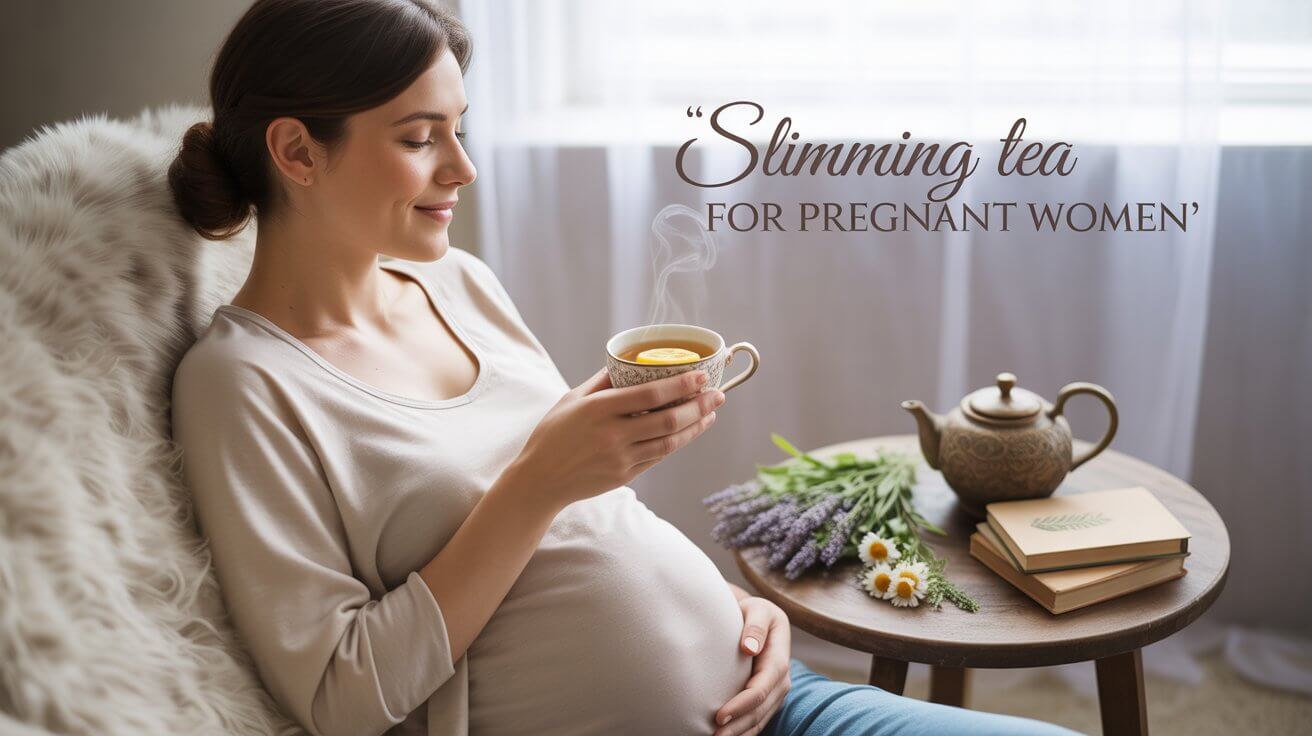
When you’re expecting, every food and drink choice matters and that includes herbal teas. Many pregnant women wonder if they can safely enjoy slimming teas to manage weight or reduce bloating. While these teas are marketed as natural and healthy, the truth is more complicated when it comes to pregnancy.
In this guide, we’ll explore whether slimming tea is safe during pregnancy, the potential side effects, expert opinions, and safer herbal alternatives you can enjoy without risk.
What Is Slimming Tea?
Slimming tea is a blend of herbs designed to support fat burning, detoxification, and digestion. Common ingredients include:
-
Green tea – promotes metabolism and contains antioxidants.
-
Oolong tea – supports digestion and helps reduce fat absorption.
-
Senna leaves – act as a natural laxative.
-
Ginger root – improves digestion and relieves bloating.
-
Peppermint – calms the stomach and may reduce cravings.
For most adults, these teas can be a helpful part of a healthy lifestyle. Premium blends such as All Day Slimming Tea are even formulated to support metabolism during the day and gentle detox at night.
However, pregnancy changes your body’s chemistry meaning not all “natural” teas are safe during this time.
Is Slimming Tea Safe During Pregnancy?
The short answer: No, slimming tea is not considered safe during pregnancy.
Although made from natural ingredients, many slimming teas have compounds that can negatively affect pregnancy, such as:
-
Caffeine: Found in green and oolong tea, excessive caffeine can increase heart rate, raise blood pressure, and potentially impact fetal development.
-
Laxative herbs: Ingredients like senna can cause dehydration, abdominal cramping, and reduce nutrient absorption all of which are harmful during pregnancy.
-
Detox effects: Many slimming teas increase urination or bowel movement frequency, which may lead to fluid loss and electrolyte imbalance.
-
Uterine stimulation: Some strong herbal blends may stimulate the uterus, potentially increasing the risk of contractions.
For these reasons, medical experts recommend avoiding all slimming or detox teas during pregnancy.
Possible Side Effects for Pregnant Women
Pregnant women who consume slimming tea may experience:
-
Cramping, nausea, or diarrhea
-
Dehydration and dizziness
-
Nutrient deficiencies from increased bowel movements
-
Elevated heart rate from caffeine
-
Potential harm to fetal growth and development
These effects vary based on the tea’s ingredients and concentration, but even mild reactions can be unsafe during pregnancy.
Safe Herbal Tea Alternatives During Pregnancy
If you enjoy drinking tea and want something soothing and beneficial during pregnancy, opt for pregnancy-safe herbal teas instead. Great alternatives include:
-
Ginger tea: Eases morning sickness and aids digestion.
-
Peppermint tea: Helps with bloating and gas.
-
Rooibos tea: Naturally caffeine-free and rich in antioxidants.
-
Chamomile tea (in moderation): Promotes calmness and better sleep.
Tip: Always consult your doctor or midwife before adding any herbal tea to your pregnancy diet even safe ones since reactions can vary.
Expert Recommendations
Health professionals emphasize that pregnancy is not the time for detoxing or weight loss. Instead, focus on:
-
Eating balanced, nutrient-dense meals
-
Staying hydrated with water and safe herbal teas
-
Doing light pregnancy-safe exercises (like walking or prenatal yoga)
-
Consulting your healthcare provider before using any supplements or herbal products
Can You Use Slimming Tea After Pregnancy?
While slimming tea isn’t safe during pregnancy, it can be reintroduced after childbirth, once your doctor approves. For postpartum women, All Day Slimming Tea can support:
-
Natural metabolism boost during the day
-
Improved digestion and gentle detox
-
Relaxation and recovery at night
If you’re breastfeeding, it’s still best to consult your healthcare provider before starting any slimming or detox tea.
Conclusion
Slimming tea is not safe for pregnant women due to its caffeine, laxative herbs, and detoxifying effects that may harm both mother and baby. However, pregnancy-safe teas like ginger, peppermint, rooibos, or chamomile can offer comfort and wellness benefits without risks.
After pregnancy and with medical guidance you can safely explore slimming teas to support your postnatal recovery and wellness goals.
Leave a Reply