
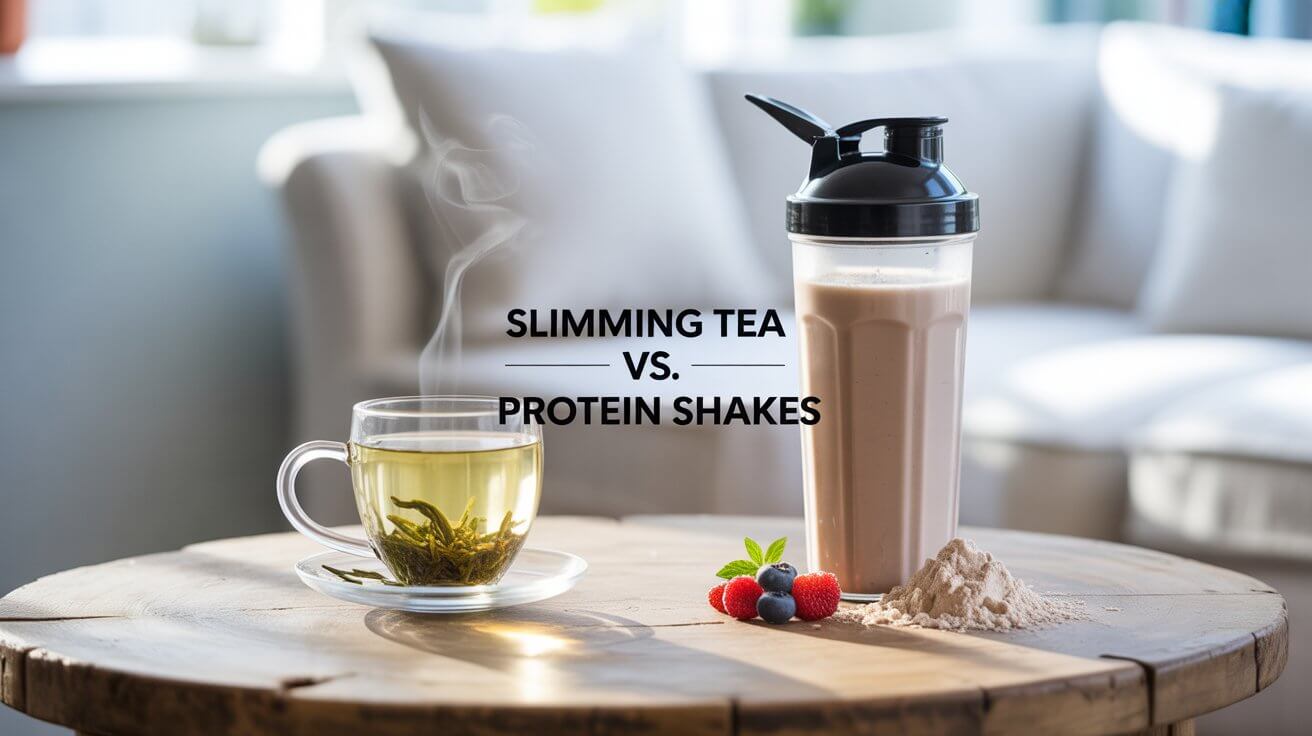
When it comes to losing fat effectively, most people look for solutions that are simple, sustainable, and easy to stick to. Two of the most popular choices in 2025 are slimming teas and protein shakes both widely used but designed for different goals.
If you’re trying to decide whether to sip on slimming tea or blend up a protein shake, this detailed comparison explains how each works, their pros and cons, and which one fits best for your lifestyle and fat loss goals.
What Is Slimming Tea?
Slimming tea is a blend of herbs, antioxidants, and natural extracts that help improve metabolism, digestion, and appetite control. Unlike regular tea, these blends are designed to support the body’s fat-burning process while providing hydration and a calming daily ritual.
Common ingredients include:
-
Green tea extract – boosts metabolism and fat oxidation
-
Oolong tea – enhances thermogenesis (fat-burning)
-
Ginger & dandelion root – improve digestion and reduce bloating
-
Garcinia Cambogia or lemongrass – help control appetite naturally
Modern formulations like All Day Slimming Tea (2025 edition) combine scientifically supported ingredients with clean, non-laxative herbs for sustainable results making them ideal for daily use.
A 2024 study in the Journal of Functional Foods found that participants who consumed catechin-rich green tea daily saw a 4–5% higher fat oxidation rate compared to those who didn’t.
What Are Protein Shakes?
Protein shakes are dietary supplements made from whey, soy, pea, or other plant-based proteins, often mixed with water or milk. They are designed to replenish protein intake, which supports muscle recovery, growth, and satiety.
When used correctly, protein shakes:
-
Help maintain or build lean muscle
-
Reduce hunger and overeating
-
Support post-workout recovery
-
Boost metabolism indirectly (since muscle tissue burns more calories even at rest)
Research published in Nutrients (2024) shows that higher protein intake (1.6–2.2 g/kg/day) enhances fat loss by preserving lean mass during calorie restriction.
Slimming Tea vs. Protein Shakes: What’s the Difference?
| Feature | Slimming Tea | Protein Shakes |
|---|---|---|
| Purpose | Boost metabolism, curb cravings, aid digestion | Build muscle, improve recovery, increase satiety |
| Calories | 0–5 per cup | 100–400 per serving |
| Caffeine Content | Low to moderate (depends on herbs) | Usually none |
| Best For | Natural fat burning, light detox, appetite control | Active individuals, gym-goers, meal replacement |
| Preparation | Steep and sip | Mix and shake |
| Daily Use | Anytime of day | Pre- or post-workout, or as a snack/meal |
Bottom line: Slimming tea works through metabolic and digestive pathways, while protein shakes work through muscle metabolism and satiety.
Benefits of Slimming Tea for Fat Loss
-
Natural Appetite Control: Ingredients like Garcinia Cambogia and oolong tea help reduce cravings.
-
Boosts Metabolism: Green tea catechins and caffeine support calorie burning.
-
Improves Digestion: Herbal blends promote gut health and reduce bloating.
-
Zero-Calorie Support: Offers fat-loss benefits without adding calories.
-
Stress Relief: Certain blends contain calming herbs like chamomile or peppermint, supporting emotional eating control.
Many users report that replacing their morning coffee with slimming tea improves digestion and reduces late-night snacking.
Benefits of Protein Shakes for Fat Loss
-
Supports Lean Muscle Mass: More muscle = higher resting calorie burn.
-
Reduces Hunger: Keeps you full for longer, lowering overall calorie intake.
-
Convenient Meal Replacement: Ideal for busy schedules or post-workout recovery.
-
Improves Exercise Results: Enhances endurance and muscle recovery.
According to a 2025 survey by Healthline Wellness Trends, 64% of fitness-conscious adults use protein shakes primarily for appetite control rather than bulking.
Limitations of Each
Slimming Tea Limitations:
-
Lacks protein or essential nutrients, so it can’t replace meals.
-
Overconsumption (especially of detox blends) may cause mild digestive sensitivity.
Protein Shake Limitations:
-
Some commercial brands contain added sugar or artificial sweeteners, reducing fat-loss efficiency.
-
Overreliance on shakes can lead to nutrient gaps if whole foods are neglected.
Which One Should You Choose?
Your best choice depends on your lifestyle and goals:
| Your Goal | Best Option | Why |
|---|---|---|
| You exercise regularly | Protein Shakes | Supports recovery and builds fat-burning muscle |
| You prefer a natural daily ritual | Slimming Tea | Boosts metabolism and controls cravings |
| You want quick meal alternatives | Protein Shakes | Convenient and filling |
| You want to reduce caffeine and calories | Slimming Tea | Calorie-free and hydrating |
If you don’t train intensely, slimming tea is often the easier and more sustainable choice no blender, no calories, just a consistent fat-burning support.
How to Combine Both for Faster Fat Loss
Many wellness experts now recommend combining both for complementary benefits:
-
Morning: Start your day with slimming tea to activate metabolism.
-
Post-workout: Have a protein shake to support muscle recovery.
-
Evening: Use caffeine-free slimming tea to aid digestion and reduce nighttime cravings.
This combo supports both fat-burning and lean muscle preservation key to long-term weight management.
People Also Ask (for Featured Snippet Potential)
1. Is slimming tea better than protein shakes for weight loss?
Slimming tea helps boost metabolism naturally, while protein shakes support muscle maintenance. The best results come from combining both strategically.
2. Can slimming tea replace protein shakes?
No. Slimming tea doesn’t provide protein or calories for recovery. It’s a complementary tool, not a replacement.
3. Can I drink slimming tea and protein shakes on the same day?
Absolutely many people do. Just ensure you maintain hydration and a balanced diet.
4. Do protein shakes cause weight gain?
Only if they add excess calories. When used properly, they support fat loss through improved satiety and metabolism.
Expert Tip (2025 Edition)
“Protein feeds your muscles; slimming tea supports your metabolism. Using both wisely is one of the most effective ways to balance fat loss and energy levels.”
— Dr. Lara Menon, Clinical Nutritionist, University of Sydney, 2025
Final Thoughts
Both slimming tea and protein shakes play valuable but distinct roles in fat loss.
-
Slimming tea is perfect for daily metabolic support, appetite control, and digestion.
-
Protein shakes excel in muscle maintenance, satiety, and workout recovery.
For most people, slimming tea offers a simpler, low-calorie daily habit, while protein shakes fit best for active or fitness-oriented individuals.
If you want a natural, soothing way to burn fat without meal replacements, All Day Slimming Tea can be your best ally especially when combined with light exercise and a clean diet.
Leave a Reply