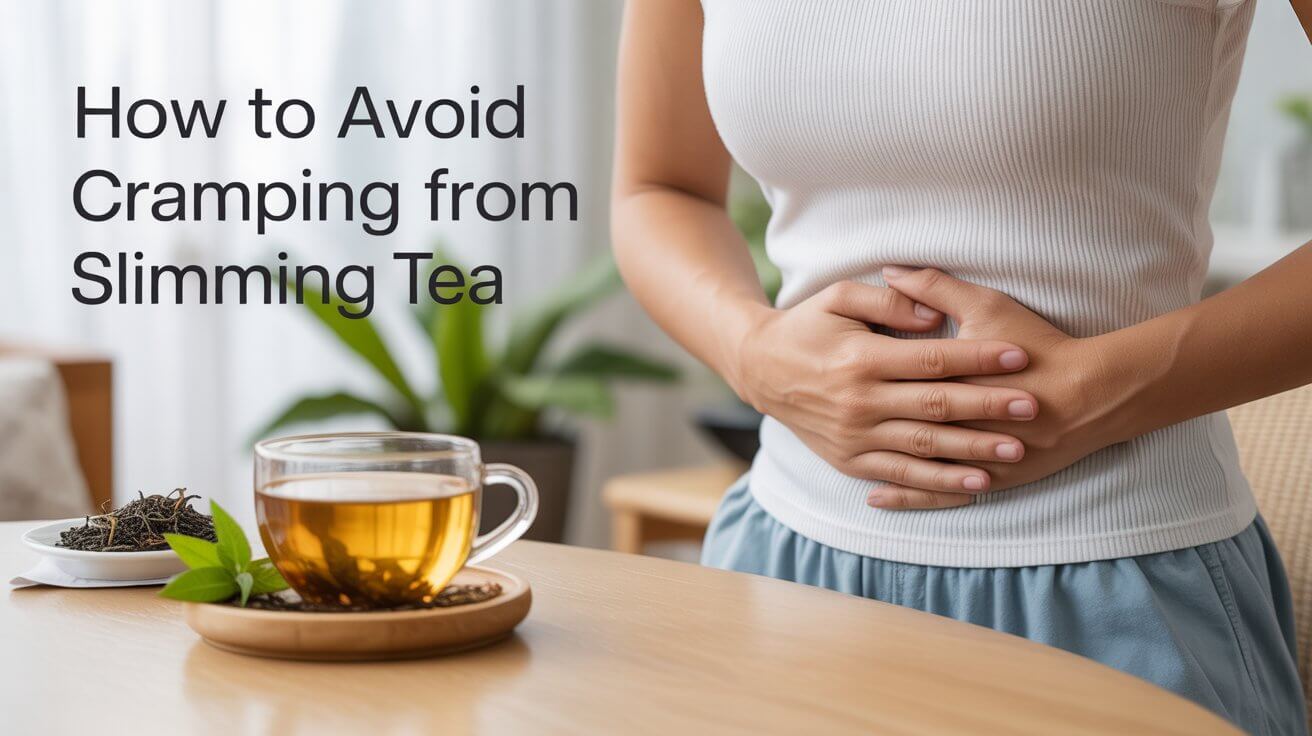
Slimming tea has grown in popularity as a natural support for weight loss, digestion, and bloating reduction. Many users appreciate the convenience and effects, but some experience stomach cramps, discomfort, or digestive disturbances. If you’ve ever felt uneasy after drinking slimming tea, you’re not alone and the good news is, there are proven ways to enjoy it safely.
In this guide, we explore why cramping happens, practical prevention tips, and how to choose a safer slimming tea in 2025.
Why Slimming Tea Can Cause Cramping
Most slimming teas contain herbs that stimulate digestion or act as natural laxatives. Common culprits include:
-
Senna leaves – strongly promote bowel movements
-
Cassia angustifolia or aloe extract – gentle laxatives
-
Dandelion or green tea – diuretic properties increase urination
When the digestive system is suddenly stimulated, muscle contractions in the intestines can cause cramping. Additionally, if your body isn’t properly hydrated, these effects can intensify, leading to dehydration-related discomfort.
Expert insight: Mild cramping is normal for new users, but severe or prolonged pain should never be ignored. Consulting a healthcare professional is recommended if symptoms persist.
Tips to Avoid Cramping from Slimming Tea
Here’s how to enjoy slimming tea safely while minimizing stomach issues:
1. Start with a Smaller Serving
Begin with half a cup or half a teabag instead of a full serving. Gradually increasing your intake allows your digestive system to adjust.
2. Stay Hydrated
Since slimming teas can act as diuretics, drink water throughout the day. Proper hydration balances your digestion and reduces the risk of cramps.
Tip: For users pairing slimming tea with workouts, an extra glass of water 30 minutes before drinking can improve comfort.
3. Avoid Drinking on an Empty Stomach
Herbs like senna can be harsh when your stomach is empty. Drinking slimming tea after a light meal or snack helps buffer the digestive system.
4. Limit Frequency
Even if packaging recommends daily use, many people benefit from drinking slimming tea 2–3 times per week. Observing how your body reacts is key for long-term comfort.
5. Choose Gentle, Balanced Blends
Not all slimming teas are created equal. Some rely heavily on strong laxatives, while others use green tea, oolong, ginger, and botanical blends that are easier on the stomach.
For example, All Day Slimming Tea offers a well-balanced formula that supports digestion and metabolism without causing harsh cramping.
When to Stop Drinking Slimming Tea
Even with precautions, certain signs indicate that you should pause or discontinue use:
-
Severe or persistent abdominal cramping
-
Diarrhea or excessive bowel movements
-
Symptoms of dehydration such as dizziness, dry mouth, or fatigue
Your body’s safety is paramount slimming tea should support your wellness goals, not compromise them.
Choosing a Safer Slimming Tea in 2025
When selecting a slimming tea, look for:
-
Natural herbs rather than synthetic laxatives
-
Ingredients supporting digestion, metabolism, and energy
-
Gentle blends that reduce bloating without overstimulating the intestines
Many users in 2025 report that All Day Slimming Tea strikes this balance well, providing benefits like reduced bloating, improved digestion, and metabolism support without harsh side effects.
People Also Ask (2025 Updates)
1. Why does slimming tea make me cramp even in small doses?
Cramping can occur due to individual sensitivity to herbs like senna or excessive diuretic effects. Starting with smaller servings and hydrating properly usually helps.
2. Can you drink slimming tea every day safely?
Gentle herbal blends can be used regularly, but teas containing strong laxatives should be limited to 2–3 times per week to avoid dependency or cramping.
3. Are there any natural alternatives to prevent cramping?
Yes. Ginger, peppermint, or fennel teas can soothe digestion. Drinking water alongside slimming tea and consuming it with food also prevents stomach discomfort.
4. How long should you wait before increasing your serving?
Wait 3–5 days after your first small serving to observe your body’s response. Gradually increase if no discomfort occurs.
Expert Tips for 2025
-
Pair slimming tea with a fiber-rich diet to ease digestion.
-
Combine with light physical activity, such as walking, to support regular bowel movements.
-
Avoid using slimming tea as a substitute for meals, it’s most effective as a supplementary wellness aid.
Many wellness experts in 2025 emphasize that long-term results come from lifestyle balance, not quick detox solutions.
Conclusion
Cramping from slimming tea is common but manageable with the right strategies. By starting small, staying hydrated, avoiding empty stomachs, limiting frequency, and choosing high-quality gentle blends, you can enjoy the benefits without discomfort.
Remember, the goal is safe and effective weight management, and the right slimming tea can be a gentle ally not a source of pain.
Leave a Reply