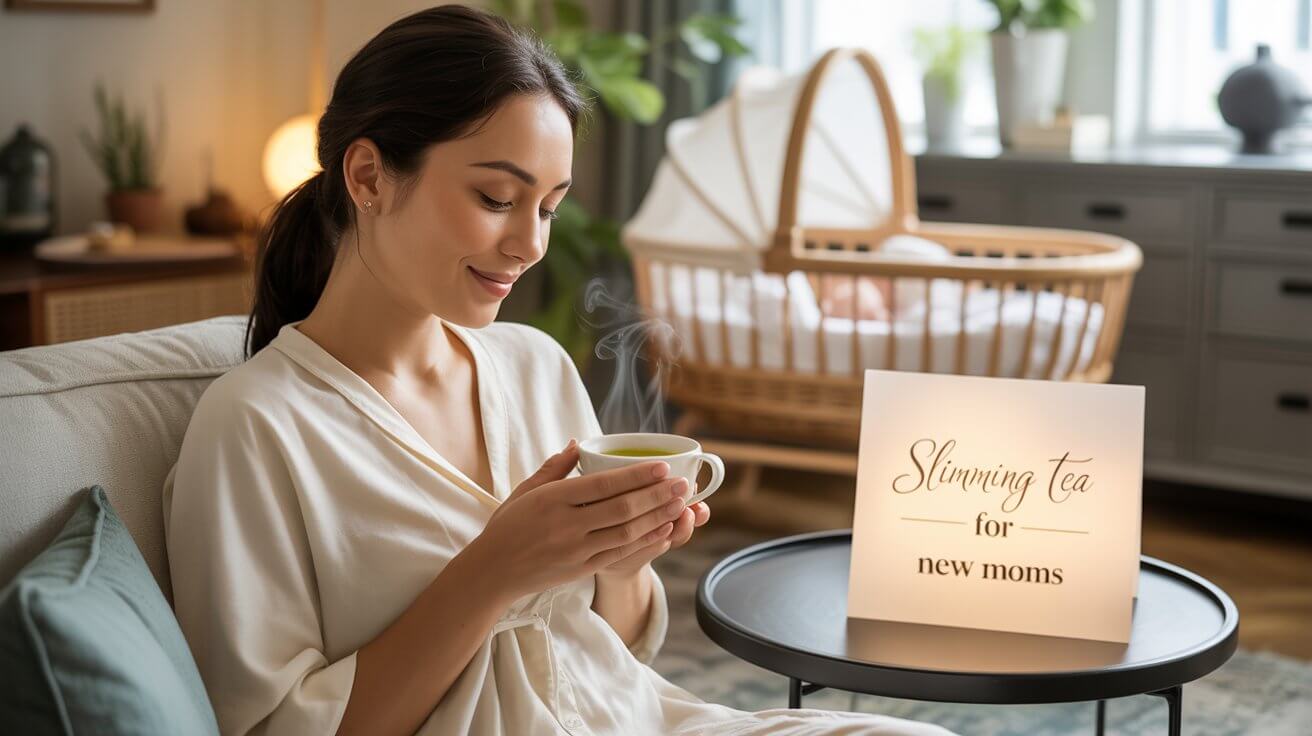
Becoming a new mom is an extraordinary journey, but it comes with significant changes to your body, metabolism, and daily routine. Many women naturally wonder about postpartum weight management and whether slimming tea is a safe or effective option. While these teas are often marketed for quick results, it’s crucial to understand how they interact with your body during recovery, especially if you’re breastfeeding.
In this guide, we’ll explore the latest research on postpartum slimming teas, discuss safer alternatives, and provide actionable advice for new moms looking to maintain their wellness safely in 2025.
Understanding Slimming Tea
Slimming teas are herbal blends designed to support digestion, reduce bloating, and promote metabolism. Common ingredients include green tea, oolong tea, senna, and detox herbs.
2025 insights: Recent studies show that while green and oolong teas can modestly boost metabolism due to catechins and polyphenols, aggressive detox herbs like senna or cascara sagrada have potential risks, especially postpartum. Many new moms report that these teas can lead to dehydration and digestive discomfort if consumed too soon after childbirth.
Postpartum Considerations
The first weeks after childbirth are a time for recovery, energy restoration, and bonding with your newborn. Before considering slimming teas, keep these factors in mind:
-
Body Recovery: Muscles, organs, and hormones are recalibrating. Aggressive weight-loss methods can interfere with natural healing.
-
Breastfeeding Needs: Producing milk requires additional calories, hydration, and nutrients. Teas with strong diuretic or laxative effects can reduce milk supply.
-
Mental Health: Pressure to lose weight quickly can increase stress and anxiety. Sustainable, gentle approaches are more effective long-term.
Many new moms have noticed that slow, consistent habits rather than quick fixes lead to lasting postpartum wellness.
Are Slimming Teas Safe for New Moms?
The short answer: caution is essential.
Potential Risks
-
Dehydration: Diuretic and laxative ingredients can cause fluid loss, affecting energy and milk production.
-
Reduced Milk Supply: Herbs like senna, cascara sagrada, and high-caffeine blends may decrease lactation.
-
Digestive Issues: Cramping, diarrhea, or stomach upset can occur with harsh ingredients.
-
Caffeine Effects: High caffeine levels can pass into breast milk, potentially disrupting your baby’s sleep.
Ingredients to Avoid
New mothers should stay away from teas containing:
-
Senna
-
Cascara sagrada
-
High-caffeine herbal or black teas
-
Aggressive detox herbs
Safer Herbal Alternatives
Gentle, nutrient-supporting teas can provide comfort, hydration, and digestion support without interfering with recovery or breastfeeding. Examples include:
-
Chamomile: Promotes relaxation and sleep for moms experiencing postpartum stress.
-
Ginger: Helps digestion and reduces inflammation.
-
Fenugreek: Traditionally used to support lactation; many breastfeeding moms report improved milk flow.
-
Peppermint or Lemon Balm: Can relieve bloating and enhance digestion naturally.
Healthy Alternatives to Slimming Teas
For postpartum weight management, research and expert recommendations emphasize balance and sustainability.
Balanced Diet
Focus on nutrient-dense meals rich in lean proteins, whole grains, fruits, vegetables, and healthy fats. Small, frequent meals help maintain energy and support breastfeeding.
Gentle Exercise
Start with short walks, light stretching, or postpartum yoga. Gradually increase intensity with core and strength exercises after your doctor’s approval.
Hydration
Plenty of water supports milk production and aids in natural metabolism. Herbal teas without strong diuretic effects can contribute to hydration.
Mindful Lifestyle
Prioritize sleep when possible, manage stress, and listen to your body’s signals rather than rushing weight loss.
Expert Advice (2025 Perspective)
-
Timing: Many healthcare providers recommend waiting 6–8 weeks before structured weight loss efforts.
-
Breastfeeding Considerations: Avoid strong slimming teas while nursing; focus on gentle herbs instead.
-
Individual Differences: Recovery varies widely. Personalized approaches guided by a doctor or nutritionist are safest.
Final Thoughts
Slimming tea for new moms may seem like a quick route to postpartum weight loss, but it’s rarely the safest option. Your priority should be healing, nourishment, and bonding with your baby.
If you’re not breastfeeding and have received approval from your healthcare provider, a carefully chosen postpartum weight loss tea with gentle, natural herbs may support digestion and metabolism. Many women find that blends like All Day Slimming Tea formulated with antioxidants and mild herbs can be a supportive addition to a balanced postpartum routine.
Ultimately, sustainable postpartum wellness in 2025 combines gentle herbal support, proper nutrition, hydration, and gradual physical activity rather than relying on quick-fix slimming solutions.
Leave a Reply