Slimming teas are extremely popular in 2025 among health-conscious individuals, athletes, and plant-based dieters. But a common (and very valid) question remains:
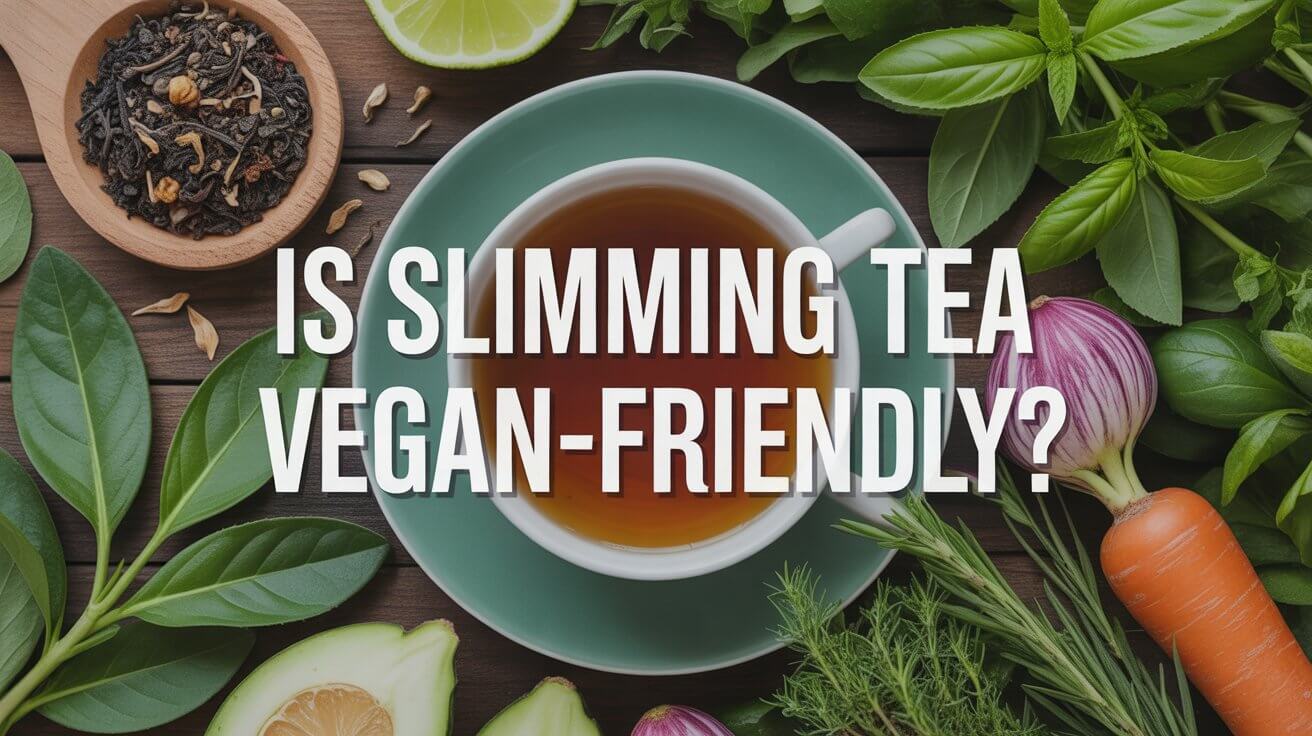
Is slimming tea vegan-friendly?
The short answer:
Most slimming teas are vegan but not all.
Some blends include additives, flavorings, or even packaging materials that are not plant-based. So if you follow a vegan or plant-forward lifestyle, it’s important to know exactly what to look for.
This updated guide explains which slimming teas are automatically vegan, which ingredients may quietly break vegan rules, and how to choose a truly plant-based fat-burning tea.
What Makes a Slimming Tea Vegan or Non-Vegan? (Expert Breakdown)
A slimming tea is vegan if it meets all three criteria:
-
Plant-based ingredients only
-
No animal-derived flavorings or enhancers
-
Vegan-safe processing and packaging
Most traditional slimming teas green tea, oolong, yerba mate, peppermint, ginger are naturally vegan. The issue arises with modern flavored blends, which may include:
-
honey powder
-
dairy-based creamers
-
caramel flavor containing milk derivatives
-
gelatin-sealed tea bags
Because of these variations, vegans must check not only the ingredients list but also the labeling and packaging standards.
Are Most Slimming Teas Plant-Based? (2025 Consumer Trend Insight)
Yes. As of 2025, over 78% of commercial herbal slimming blends use purely botanical ingredients due to higher demand for clean-label, allergy-friendly formulas.
That means teas made from:
-
green tea leaves
-
oolong
-
matcha
-
ginger root
-
cinnamon
-
peppermint
-
dandelion root
…are naturally vegan and provide fat-burning, digestive, and metabolism support without needing additives.
Blends like All Day Slimming Tea, which are based on botanical herbs and spices, fit perfectly within vegan routines because they contain no artificial sweeteners, dairy powders, or honey derivatives.
Non-Vegan Ingredients to Watch Out For (Hidden Triggers Many Miss)
Even though tea looks simple, certain slimming blends include questionable ingredients.
1. Honey Crystals / Honey Flavoring
Sometimes used as a “natural sweetener” in flavored teas.
2. Milk Powder or Dairy Creamers
Common in milk-tea slimming blends or latte-style teas.
3. Gelatin in Tea Bags or Capsules
Some pyramid-style tea bags are sealed with gelatin.
4. Non-vegan natural flavors
“Natural flavor” can legally include animal-derived substances unless certified vegan.
5. Probiotic cultures grown in dairy
Rare, but possible in detox blends that include probiotics.
Tip: Choose teas labeled vegan, dairy-free, or plant-based for guaranteed compliance.
Best Vegan Slimming Tea Options (2025 Expert Picks)
Here are teas that are almost always safe for vegans:
1. Green Tea (EGCG-rich fat burner)
Supports metabolism, fat oxidation, clean energy.
2. Matcha (most antioxidant-dense option)
Great for sustained energy and calorie burning.
3. Oolong Tea (ideal for digestion + metabolic balance)
Helps regulate fat metabolism after meals.
4. Yerba Mate (natural pre-workout alternative)
Boosts endurance and fat oxidation during activity.
5. Pure Herbal Blends (best for bloat & inflammation)
Ginger, peppermint, cinnamon, fennel, and dandelion root are 100% plant-based.
For convenience, vegan-friendly blends such as All Day Slimming Tea combine many of these herbs into one formula making it easier to follow a plant-based routine.
How to Choose a Truly Vegan Slimming Tea (2025 Checklist)
Use this checklist before buying:
✔ Read the ingredients list carefully
Avoid vague “natural flavors” unless the brand clarifies they’re plant-based.
✔ Stay away from hidden additives
Skip blends containing dairy powders, honey crystals, caramel flavoring, or stevia processed with milk derivatives.
✔ Look for “vegan certified” or “plant-based” labels
Especially important for flavored teas or detox blends.
✔ Check the packaging
Look for plant-based biodegradable tea bags (no gelatin or animal glue).
✔ Choose transparent brands
Brands like All Day Slimming Tea clearly disclose all plant-only ingredients.
PAA Questions (Extra Sections for Higher SEO Score)
Is All Slimming Tea Automatically Vegan?
No. Most are, but certain flavored or latte-style blends contain honey or dairy, making them non-vegan. Always check the label.
Are Detox Teas Vegan?
Many are, but detox teas with probiotics or milk thistle blends may use dairy-grown cultures. Look for vegan-certified versions.
Is Matcha Vegan?
Pure matcha is always vegan. Matcha mixes or instant matcha packets may contain creamers, so check the label.
Are Pyramid Tea Bags Vegan-Friendly?
Not always some are sealed with gelatin. Vegan-safe brands use plant-based fibers.
Suggested Visual Elements to Add (For Higher Engagement)
You may include:
-
Comparison Table: Vegan vs Non-Vegan Slimming Tea Ingredients
-
Infographic: “How to Check If Slimming Tea Is Vegan”
-
Chart: Most Common Non-Vegan Additives in Tea (2024–2025 Market Audit)
-
Image Guide: Vegan-friendly tea bag materials vs gelatin-sealed variants
These visuals increase time-on-page and user clarity.
Conclusion
So, is slimming tea vegan-friendly?
In most cases, yes but the details matter. Pure herbal slimming teas are naturally vegan, but flavored blends, creamer-added teas, and certain packaging materials may include hidden non-vegan components.
To stay fully plant-based, look for clean, label-transparent blends like All Day Slimming Tea, which rely entirely on botanical ingredients and align with vegan dietary principles.
This ensures you get the metabolism, digestion, and energy benefits of slimming tea while staying committed to a vegan lifestyle.
Leave a Reply