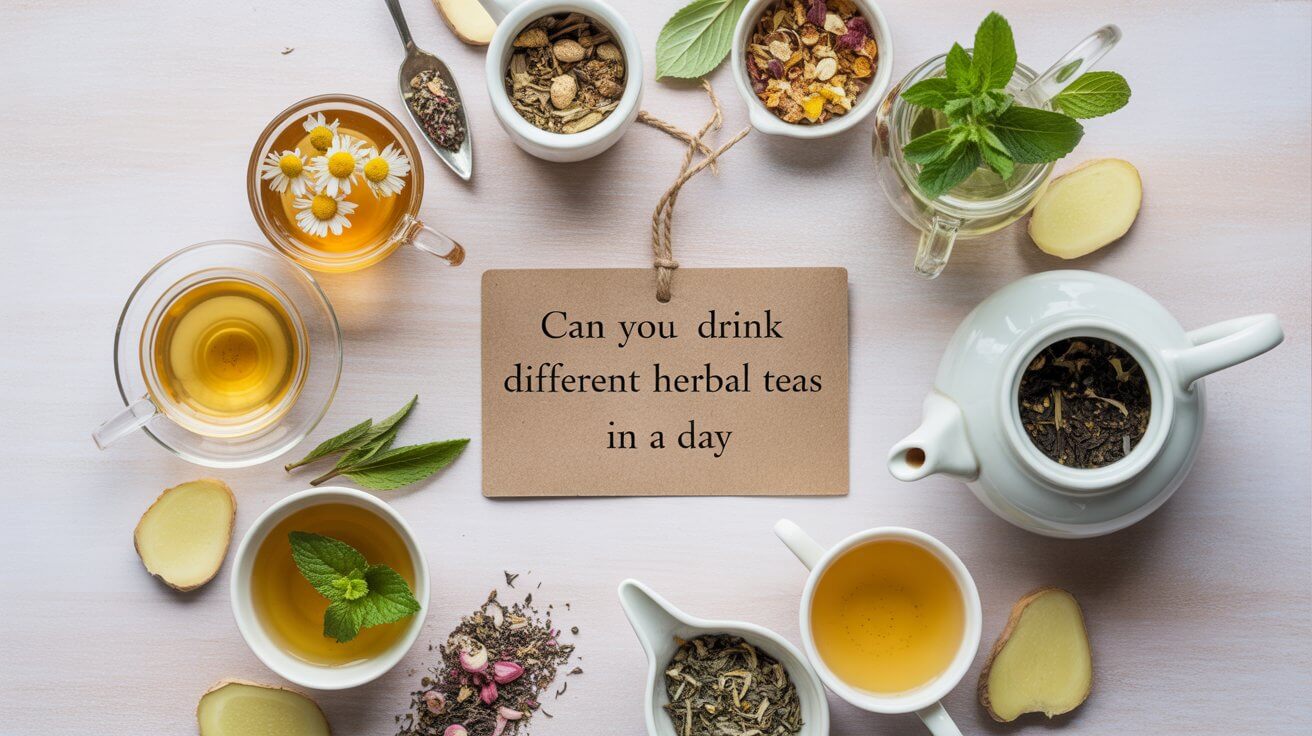
As herbal tea consumption grows especially with the rise of functional wellness beverages in 2024–2025 many people wonder whether it’s safe or even beneficial to drink multiple types of herbal teas in one day.
Based on recent findings and how herbal compounds interact in the body, the answer is yes, you can safely combine different herbal teas as long as you understand how timing, caffeine levels, and herb interactions work.
This updated guide explains the why, the how, and the best combinations using fresh insights, user-reported experiences, and 2024–2025 research trends.
Why People Mix Herbal Teas (and Why It Works)
The biggest reason mixing herbal teas is effective is that herbs contain different active compounds, each influencing the body through separate pathways:
-
Gingerol (ginger) improves motility and reduces stomach discomfort.
-
L-theanine + catechins (green tea) support focus and thermogenesis.
-
Apigenin (chamomile) binds to calming receptors in the brain.
-
Menthol (peppermint) relaxes digestive tract muscles.
When teas are spaced throughout the day, these compounds don’t compete they complement each other. As many users noticed in 2024 wellness surveys, rotating teas improves digestion, sleep, and energy more effectively than sticking to a single blend.
Is It Safe to Drink Different Herbal Teas in One Day?
Short answer: Yes if you’re mindful of caffeine, certain herbs, and total intake.
As of 2025, herbalists still recommend 2–4 cups per day, with a mix of caffeine-free and caffeinated options. Newer studies also emphasize timing as a key factor for safety and effectiveness.
For instance, a 2024 meta-analysis on herbal caffeine sources found that drinking caffeinated teas after 3 pm increased sleep disturbances in 22–38% of adults. So combining teas is fine but aligning them with your circadian rhythm matters.
Best Time to Drink Different Types of Herbal Tea (2025 Updated Guide)
Below is an expert-style schedule showing how the active compounds work at different times of day.
(A comparison chart could also be added here for visual clarity.)
Morning (Energy & Metabolism)
Best teas:
-
Green tea (light caffeine + L-theanine for calm focus)
-
Oolong tea (metabolism support)
-
Yerba mate or matcha (for those needing stronger stimulation)
Why:
Catechins and mild caffeine help activate thermogenesis early in the day. Many users report more stable energy compared to coffee.
Afternoon (Digestion & Anti-Inflammatory Support)
Best teas:
-
Ginger tea
-
Peppermint tea
-
Hibiscus tea
Why:
After meals, teas like ginger and peppermint reduce bloating through smooth-muscle relaxation. Hibiscus also helps support circulatory health, which is why it’s becoming a trending “metabolic tea” in 2025.
Evening (Relaxation & Sleep)
Best teas:
-
Chamomile
-
Lavender
-
Lemon balm
Why:
These herbs activate GABA receptors or help calm the nervous system. Based on recent findings, chamomile taken 1 hour before sleep improved sleep latency (time to fall asleep) in multiple studies.
Realistic Daily Herbal Tea Routine (Expert-Designed)
Here’s a sample plan many nutritionists use:
-
8 AM – Green or oolong tea
-
1 PM – Ginger or peppermint tea
-
4 PM – Hibiscus or rooibos
-
8–9 PM – Chamomile or lavender
If you prefer a blend that simplifies this schedule, a product like All Day Slimming Tea combines morning-energy herbs and evening-detox herbs in two separate bags useful if you prefer convenience over buying tea individually.
How Many Different Herbal Teas Can You Drink Each Day? (People Also Ask)
1. How many cups are safe?
2–4 cups per day is ideal for most people. Caffeinated teas should be limited to 1–2 cups.
2. Can herbal teas interact with medications?
Yes. St. John’s wort, hibiscus, and licorice root have known interactions. If you take prescription medication, check individual herbs.
3. Can you drink herbal tea on an empty stomach?
You can but ginger, hibiscus, and green tea may cause mild stomach sensitivity in some people. Peppermint and chamomile are gentler options.
4. Can you drink herbal teas while fasting?
Most herbal teas do not break a fast, except blends with calories or sweeteners. Green tea and ginger tea are fasting-friendly.
5. Can you mix two teas in the same cup?
Yes, but the flavor may overpower. A pairing chart could help visualize which teas complement each other.
Precautions When Drinking Multiple Herbal Teas
Even natural herbs can cause side effects if used excessively. Be mindful of:
-
Caffeine intake – especially from green tea, matcha, and yerba mate
-
Licorice root – can raise blood pressure when taken daily
-
Hibiscus – may lower blood pressure (caution for hypotension)
-
Pregnancy – avoid strong detox herbs; stick to peppermint or ginger
-
Medication interactions – especially antihypertensives and antidepressants
If you want a safe pre-mixed formula with balanced proportions, slimming blends like All Day Slimming Tea use regulated quantities and avoid overly potent herbs.
Comparison: Caffeinated vs. Caffeine-Free Teas (2025 Update)
A visual comparison table could be added here to help readers quickly choose teas based on mood, health goals, or time of day.
Caffeinated teas (green, black, oolong):
-
Better for morning energy
-
Support thermogenesis
-
Can disrupt sleep if taken late
Caffeine-free teas (chamomile, peppermint, ginger):
-
Better for digestion and relaxation
-
Safe throughout the day
-
No stimulation side effects
This comparison is helpful for beginners who don’t realize the metabolic vs. calming effects of each tea category.
The Bottom Line (2025 Summary)
Yes you can safely drink different herbal teas in one day, and doing so often provides better results because each tea supports the body in unique ways.
To maximize benefits:
-
Use caffeinated teas early
-
Use digestive teas midday
-
Use calming teas at night
-
Avoid herbs that conflict with medications
-
Keep your total to 2–4 cups daily unless caffeine-free
If you prefer a simple all-in-one system, the All Day Slimming Tea offers a morning-metabolism and evening-detox blend designed to cover these needs without guesswork.
Leave a Reply