
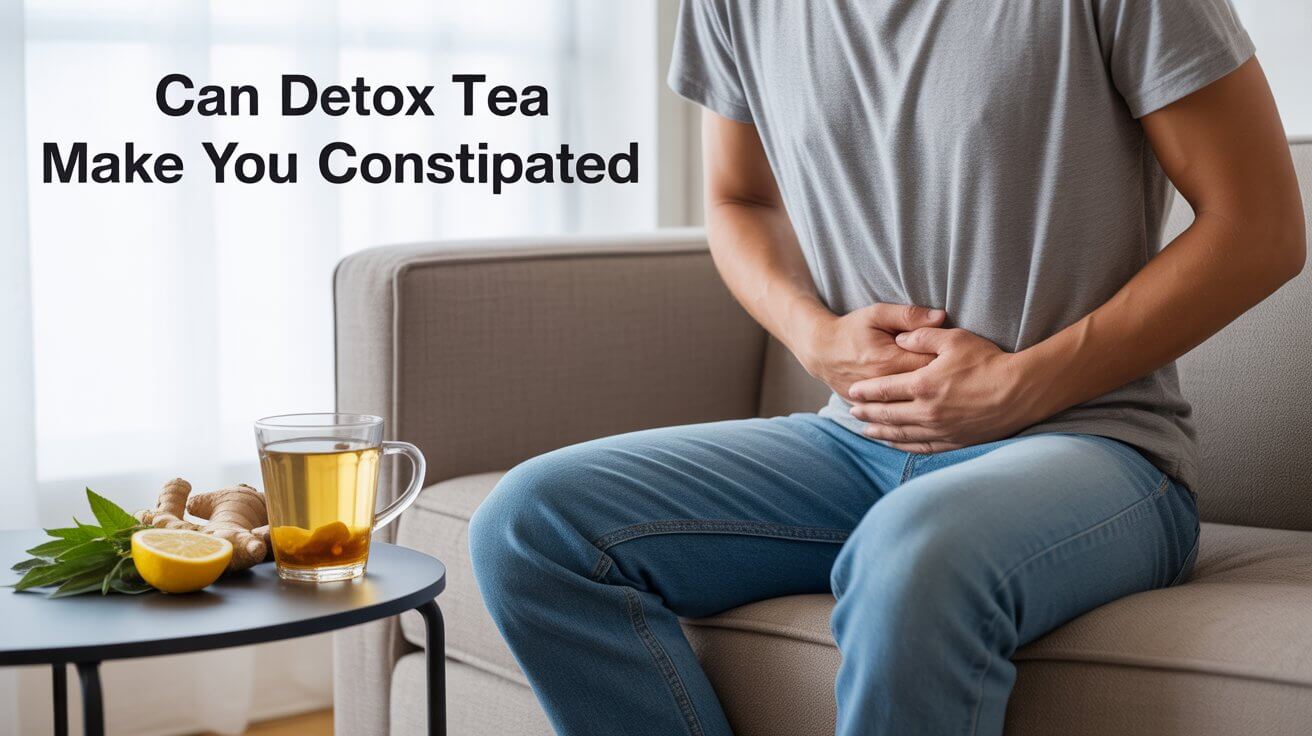
Detox teas are often marketed as the ultimate wellness solution claiming to “flush toxins,” promote weight loss, and improve digestion. But by 2025, health experts and nutritionists have started questioning: do detox teas always help your gut, or can they sometimes cause the opposite effect constipation?
While detox teas are designed to support cleansing and bowel regularity, their effects depend heavily on what’s in them and how they’re used. Surprisingly, some detox blends can trigger constipation instead of relieving it, especially when dehydration or overuse comes into play.
Let’s explore the science behind detox teas, why constipation can occur, and how to prevent it safely.
How Detox Teas Actually Work
Most detox teas rely on a combination of herbs that influence the digestive system, liver, and kidneys helping the body eliminate waste and reduce water retention.
Common ingredients include:
-
Senna – a strong herbal laxative that stimulates the intestines.
-
Dandelion root – a natural diuretic that increases urination and reduces water weight.
-
Green tea – rich in catechins, helps improve metabolism and fat oxidation.
-
Ginger – promotes gut motility and reduces bloating.
-
Peppermint – relaxes the digestive tract and eases cramps.
Expert note (2025): Recent studies show that the combination of diuretic and laxative herbs can cause unpredictable bowel responses. While they initially encourage elimination, prolonged or improper use can result in sluggish digestion or dehydration both triggers of constipation.
Can Detox Tea Cause Constipation? The Real Reason Behind It
Yes detox teas can cause constipation, but often indirectly. Here’s how:
1. Dehydration from Diuretics
Herbs like dandelion, nettle, or horsetail increase urination. If water intake doesn’t increase accordingly, your body draws water from the intestines making stool harder and bowel movements less frequent.
2. Overuse of Laxative Herbs
Ingredients like senna or cascara can stimulate bowel contractions but frequent use can weaken the colon’s natural rhythm. This “laxative dependency” may lead to rebound constipation once the tea is stopped.
3. Disruption of Gut Microbiome
Long-term use of detox teas with strong cleansing effects can strip beneficial gut bacteria, reducing natural motility and causing digestive irregularity.
Expert insight: A 2024 study published in Frontiers in Gut Microbiology found that prolonged senna use altered gut microbial diversity slowing natural bowel movement recovery by up to 20%.
Other Digestive Side Effects of Detox Tea
While constipation is one possible outcome, detox teas may also trigger other digestive issues:
-
Cramping or abdominal pain
-
Temporary bloating from herbal fermentation
-
Diarrhea followed by rebound constipation
-
Increased urination and mild dehydration
This doesn’t mean detox teas are harmful it means they must be used strategically and in moderation.
Who Is Most at Risk of Constipation from Detox Tea?
You’re more likely to experience constipation if you:
-
Drink detox teas daily without breaks
-
Consume insufficient water alongside them
-
Follow low-fiber diets (common in calorie-restricted detox plans)
-
Have sensitive digestion or IBS
-
Use multiple detox products at once (e.g., slimming tea + cleanse capsules)
If you notice infrequent bowel movements, bloating, or dry stools after starting a detox tea, it’s a sign your body needs more hydration and fiber, not more tea.
How to Prevent Constipation While Drinking Detox Tea
You can safely enjoy detox teas without digestive backlash here’s how:
1. Stay Hydrated
Drink at least 2–3 liters of water daily. Pair each cup of detox tea with two glasses of water to replace fluids lost through diuretic herbs.
2. Use in Moderation
Limit use to 5–7 days at a time, followed by a break. Avoid drinking multiple detox teas per day.
3. Choose Balanced Blends
Opt for non-laxative slimming teas with metabolism-boosting and digestion-supporting ingredients like green tea, oolong, ginger, and peppermint not harsh laxatives like senna.
You can explore gentler options like All Day Slimming Tea, designed to enhance metabolism and digestion without causing dehydration or bowel strain.
4. Eat Fiber-Rich Foods
Include fruits, oats, chia seeds, and leafy vegetables in your detox routine to maintain bowel regularity.
5. Stay Active
Light physical movement (like walking or yoga) stimulates intestinal muscles and prevents sluggish digestion.
People Also Ask (2025)
Why does detox tea sometimes cause bloating instead of cleansing?
Bloating can occur if detox teas alter gut bacteria or cause dehydration. It’s often temporary and improves with added water and fiber intake.
Can detox tea stop you from pooping?
Yes if the blend causes dehydration or is overused. Strong laxative ingredients can temporarily overstimulate the bowels, leading to sluggishness once stopped.
How long should you drink detox tea?
Experts recommend using detox teas no longer than 1–2 weeks, followed by a rest period. For continuous support, switch to balanced herbal teas instead.
Which detox tea doesn’t cause constipation?
Look for gentle metabolism-supporting blends like All Day Slimming Tea free from harsh laxatives and balanced with digestive herbs like ginger, green tea, and peppermint.
Science vs. Marketing: What the 2025 Data Says
As of 2025, the global detox tea trend has evolved. Consumers are moving away from harsh “7-day cleanse” programs toward gut-friendly, hydration-focused formulations.
According to a Nutrition & Wellness Report (2025), teas that include both prebiotic herbs (like dandelion and ginger) and hydration-friendly ingredients (like rooibos) are linked to fewer side effects and better digestive outcomes.
Conclusion
So, can detox tea make you constipated?
Yes but mainly if it’s misused, dehydrating, or over-relied upon.
The key to avoiding constipation is hydration, moderation, and ingredient balance. Look for detox teas that focus on supporting your metabolism, not forcing elimination.
Blends like All Day Slimming Tea, which combine green tea, oolong, ginger, and peppermint, offer gentle detoxification and improved digestion without the harsh rebound effects that come with stimulant-based cleanses.
Leave a Reply