
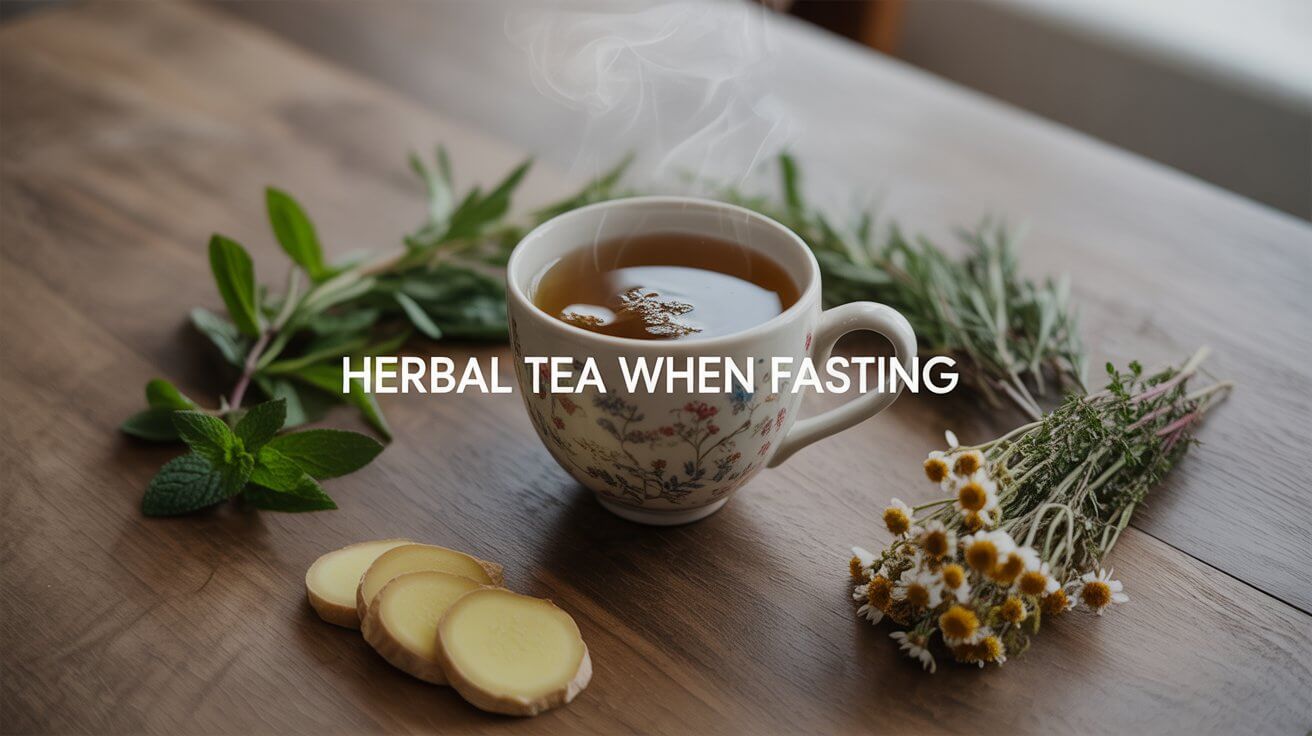
Fasting whether for weight loss, detox, or longevity has evolved from an ancient practice into a modern wellness strategy supported by science. But many people still ask: Can you drink herbal tea when fasting, and will it break your fast?
The short answer: Yes, most plain herbal teas are completely fasting-safe and can actually make your fasting experience smoother and more effective. However, some teas and blends can unintentionally break your fast especially those with additives, dried fruit, or sweeteners.
In this 2025 guide, we’ll explain why herbal tea supports fasting, which teas to choose, which to avoid, and how to use them strategically for maximum results.
Does Herbal Tea Break a Fast?
The golden rule of fasting is simple avoid anything that provides calories or spikes insulin.
Most pure herbal teas made from leaves, roots, flowers, or spices such as peppermint, ginger, or chamomile contain zero measurable calories and do not interfere with the main benefits of fasting, including:
-
Fat oxidation (fat burning)
-
Autophagy (cell repair and detox)
-
Improved insulin sensitivity
However, the risk lies in commercial or flavored blends. Teas with added fruit bits, sweeteners, honey, or flavoring oils can introduce sugars or carbs, subtly breaking your fast.
Expert note: According to 2024 metabolic studies, even 2–3 grams of sugar during fasting can interrupt autophagy and insulin regulation. Always read the ingredient label carefully if it’s not 100% herbal, skip it.
Benefits of Herbal Tea During Fasting
Drinking herbal tea while fasting is not just allowed it’s a powerful fasting aid when chosen correctly. Here’s why:
1. Appetite Suppression
Peppermint, rooibos, and green tea compounds naturally suppress hunger hormones like ghrelin, helping you resist mid-fast cravings.
2. Hydration With Variety
Plain water can get boring during long fasts. Herbal teas add flavor and electrolytes without calories, keeping you hydrated and refreshed.
3. Digestive Support
Ginger and fennel teas improve gut motility and reduce fasting-related bloating or nausea, especially during extended fasts.
4. Improved Focus and Calmness
Chamomile and lemon balm teas enhance relaxation, while light caffeine teas (like green or oolong) support alertness without spiking insulin.
5. Antioxidant and Detox Support
Many herbal teas are rich in polyphenols that work synergistically with fasting to reduce inflammation and oxidative stress.
Best Herbal Teas to Drink While Fasting (Updated 2025 List)
Here are the most effective fasting-friendly teas based on recent studies and user reports:
1. Peppermint Tea – Craving Control Hero
-
Naturally sweet aroma helps suppress hunger signals.
-
Refreshes breath and soothes digestion.
-
Ideal between fasting hours when cravings hit.
Pro Tip: Inhale the aroma as you sip scent receptors linked to appetite can enhance satiety.
2. Ginger Tea – Gut-Soothing Thermogenic
-
Boosts thermogenesis and digestion, preventing bloating during long fasting windows.
-
Improves gut motility and nutrient absorption post-fast.
-
Drink in the morning or pre-meal after breaking your fast.
3. Chamomile Tea – Nighttime Fasting Companion
-
Supports deeper sleep and stress reduction crucial for hormone balance.
-
Reduces cortisol, preventing stress-related fat retention.
-
Ideal before bedtime during fasting or low-calorie phases.
4. Rooibos Tea – The Caffeine-Free Antioxidant
-
Contains aspalathin, an antioxidant that regulates blood sugar and stress.
-
Caffeine-free, making it perfect for evening fasting hours.
-
Slightly sweet naturally, so you don’t need sugar.
5. Green Tea – The Metabolic Booster
-
Contains EGCG and caffeine that synergistically enhance fat oxidation.
-
Best during fasting if you tolerate mild caffeine.
-
Choose loose-leaf, unsweetened green tea for pure benefits.
For those fasting primarily for weight loss, combining these teas with a structured blend like All Day Slimming Tea can amplify results. It includes ginger, green tea, and mint for metabolism and appetite control ideal for intermittent fasting plans.
Teas to Avoid During Fasting
Not every herbal tea supports fasting. Avoid these if you want to maintain the metabolic benefits:
-
Sweetened or “detox” teas with added sugar or honey.
-
Fruit-infused teas with dried apple, orange peel, or berries.
-
Flavored teas using natural oils or syrups.
-
Milk, creamers, or nut milks they add calories that break your fast.
Tip: Choose teas labeled “pure,” “unsweetened,” or “no additives.”
How to Use Herbal Tea During Different Fasting Phases
| Fasting Phase | Recommended Tea | Benefit |
|---|---|---|
| Early Morning | Green or Ginger Tea | Boost energy, suppress hunger |
| Midday (Craving Hours) | Peppermint Tea | Appetite control |
| Evening | Rooibos or Chamomile | Relaxation, better sleep |
| Post-Fast | Ginger or Green Tea | Aids digestion and fat oxidation |
Rotate your teas daily to enjoy varied benefits and avoid flavor fatigue.
Tips for Drinking Herbal Tea While Fasting
-
Choose high-quality loose-leaf teas — they’re richer in antioxidants than bagged teas.
-
Avoid adding lemon or honey during fasting; use these only after breaking the fast.
-
Sip warm, not boiling hot, to prevent stomach irritation.
-
Experiment with timing — some fasters find tea works best before hunger peaks.
-
Pair fasting with functional blends like All Day Slimming Tea for smoother energy and reduced cravings.
Expert Insight (2025 Update)
According to emerging 2025 wellness trends, herbal teas are becoming a core part of fasting routines not just as hydration tools, but as bioactive aids for longevity and metabolic health. Users are shifting from plain water fasting to “smart fasting,” where functional teas enhance cellular repair and fat metabolism.
This approach aligns with the modern focus on gentle, sustainable fasting, rather than extreme calorie restriction.
Final Thoughts: Herbal Tea and Fasting Work Better Together
So, does herbal tea break a fast?
Not when it’s pure, unsweetened, and caffeine-controlled. In fact, it can make fasting more comfortable, more effective, and even more enjoyable.
From peppermint’s appetite control to ginger’s digestive support and chamomile’s calming power, herbal teas offer science-backed support for weight management and longevity.
Leave a Reply