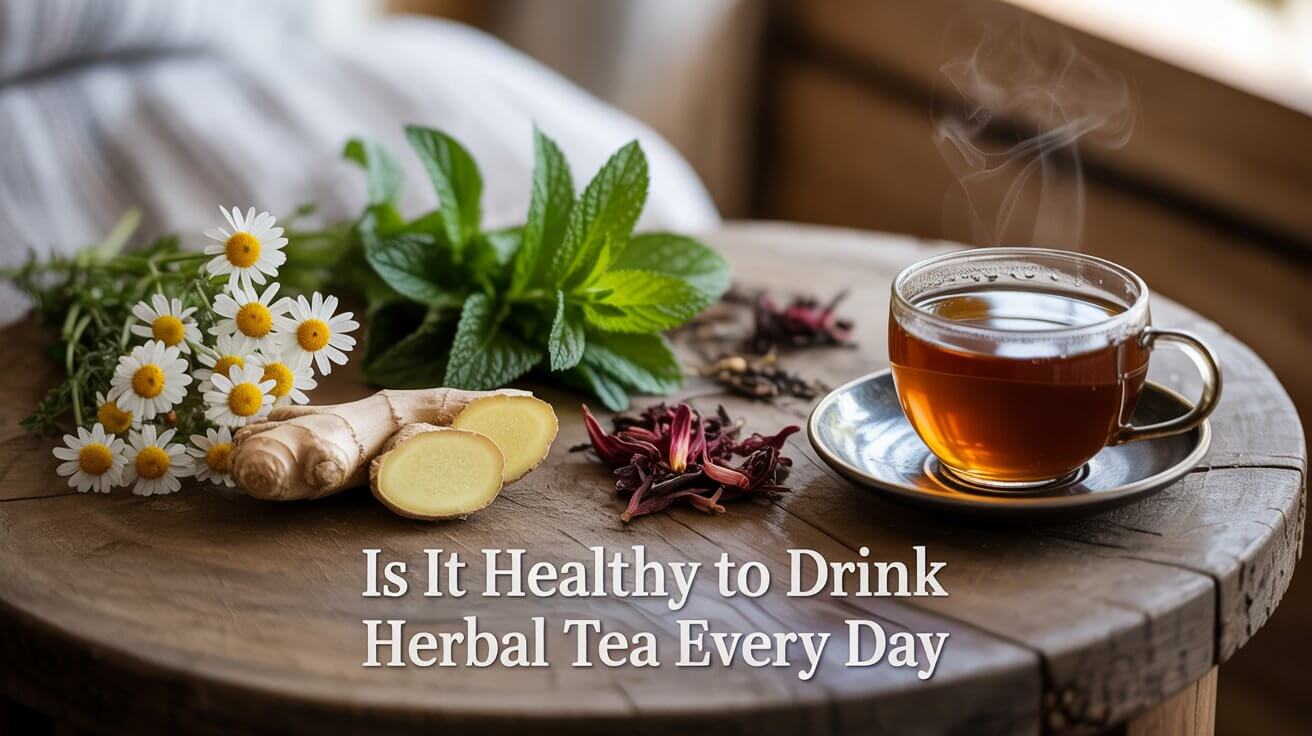
Herbal tea has evolved from a soothing bedtime ritual to one of the most consumed wellness beverages in the world. According to 2025 market data from Global Tea Insights, herbal tea consumption has grown by over 35% since 2020, as more people replace sugary drinks and coffee with natural, caffeine-free alternatives.
But here’s the real question many tea lovers ask:
Is it truly healthy to drink herbal tea every day?
What Is Herbal Tea and How It Differs from Regular Tea
Unlike traditional teas like green, black, or oolong all made from the Camellia sinensis plant herbal teas are brewed from a mix of flowers, roots, herbs, seeds, or fruits. This means most herbal teas are naturally caffeine-free, making them ideal for daily hydration and relaxation.
Popular herbal teas and their unique benefits:
| Herbal Tea | Key Benefit | Wellness Focus |
|---|---|---|
| Chamomile | Calms the nervous system | Sleep & relaxation |
| Peppermint | Reduces bloating and indigestion | Gut health |
| Ginger | Anti-inflammatory and metabolism-boosting | Immunity & digestion |
| Hibiscus | Supports heart health and lowers blood pressure | Antioxidant & detox |
| Rooibos | Rich in minerals and polyphenols | Skin & anti-aging |
Because of their variety and gentle effects, herbal teas can safely fit into a daily wellness routine if chosen and consumed wisely.
Daily Health Benefits of Drinking Herbal Tea
Drinking herbal tea every day doesn’t just hydrate you it can have cumulative effects on your body and mind. Based on recent 2024–2025 studies, here are the major benefits:
1. Supports Digestion Naturally
Herbs like peppermint, fennel, and ginger stimulate digestive enzymes and smooth gut motility, reducing bloating, gas, and constipation.
A 2024 Journal of Herbal Nutrition review found that daily ginger tea consumption improved digestion efficiency by 18% in adults with mild bloating.
2. Reduces Stress and Promotes Restful Sleep
Chamomile and lavender contain apigenin a natural compound that binds to brain receptors, encouraging relaxation. Drinking these teas nightly can improve sleep latency and quality.
Sleep Science Quarterly (2025) reports that participants who drank chamomile tea daily for two weeks fell asleep 34% faster than those who didn’t.
3. Rich in Antioxidants
Herbal teas like hibiscus, rooibos, and rosehip are packed with anthocyanins and polyphenols, which combat oxidative stress a key factor in aging and inflammation.
Consistent intake may help protect against cardiovascular and metabolic diseases.
4. Boosts Immunity and Seasonal Defense
Ginger, echinacea, and elderberry teas strengthen immune response, making them popular choices during cold and flu seasons.
These herbs contain antiviral and antibacterial compounds, supporting the body’s natural defense systems.
5. May Aid Weight Management
Slimming and detox herbal blends, such as those featuring dandelion, green tea extract, and ginger, can gently boost metabolism and reduce water retention.
Many readers on our All Day Slimming Tea blog explore blends created specifically for natural detox and healthy weight support.
Potential Risks of Drinking Herbal Tea Daily
While herbal tea is generally safe, daily use without awareness can lead to issues for some people. The risks mostly depend on the herbs used and their dosage.
Be cautious of:
-
Overuse of strong herbs: Teas containing senna or cascara can act as laxatives and cause dependency if used long-term.
-
Medication interactions: St. John’s Wort, licorice, and ginseng can interfere with certain drugs (like antidepressants or blood pressure meds).
-
Allergies: People sensitive to plants in the Asteraceae family (like chamomile or echinacea) may experience reactions.
-
Hidden caffeine: Some “herbal detox” blends include green tea or yerba mate — check labels carefully.
Expert tip: Always start with 1 cup daily for new blends and observe your body’s reaction before increasing intake.
How Much Herbal Tea Is Safe to Drink Every Day?
Most wellness experts recommend 1–3 cups per day, depending on the blend and your tolerance. This range allows you to enjoy herbal tea’s benefits without risking overconsumption.
To make it a sustainable habit:
-
Rotate your herbal teas weekly for a diverse nutrient profile.
-
Choose organic, pesticide-free blends.
-
Avoid drinking heavily sweetened or artificially flavored teas.
-
Hydrate with water alongside your tea to maintain balance.
How to Choose the Right Herbal Tea for Daily Use
Not all teas are created equal. For everyday drinking, go for quality, transparency, and purpose.
Look for teas that are:
-
Organic and naturally processed – no fillers or artificial flavors.
-
Transparent in labeling – every herb and amount should be listed.
-
Goal-focused – calming, digestive, detox, or slimming purpose clearly stated.
If your goal is metabolism or detox support, consider blends curated by herbal experts. You can explore slimming teas reviewed on our blog:
Final Verdict: Is It Healthy to Drink Herbal Tea Every Day?
Yes when consumed mindfully and chosen wisely, drinking herbal tea daily can be a very healthy habit.
Herbal teas offer natural hydration, antioxidants, and gentle support for digestion, mood, and metabolism all without the side effects of caffeine or sugary drinks.
As of 2025, the most successful tea drinkers are those who approach herbal tea like nutrition: choosing purpose-driven blends, tracking how their body responds, and making it part of a holistic daily wellness routine.
Whether you’re sipping chamomile before bed or ginger tea after lunch, each cup can be both a ritual and a step toward better health.
Leave a Reply