
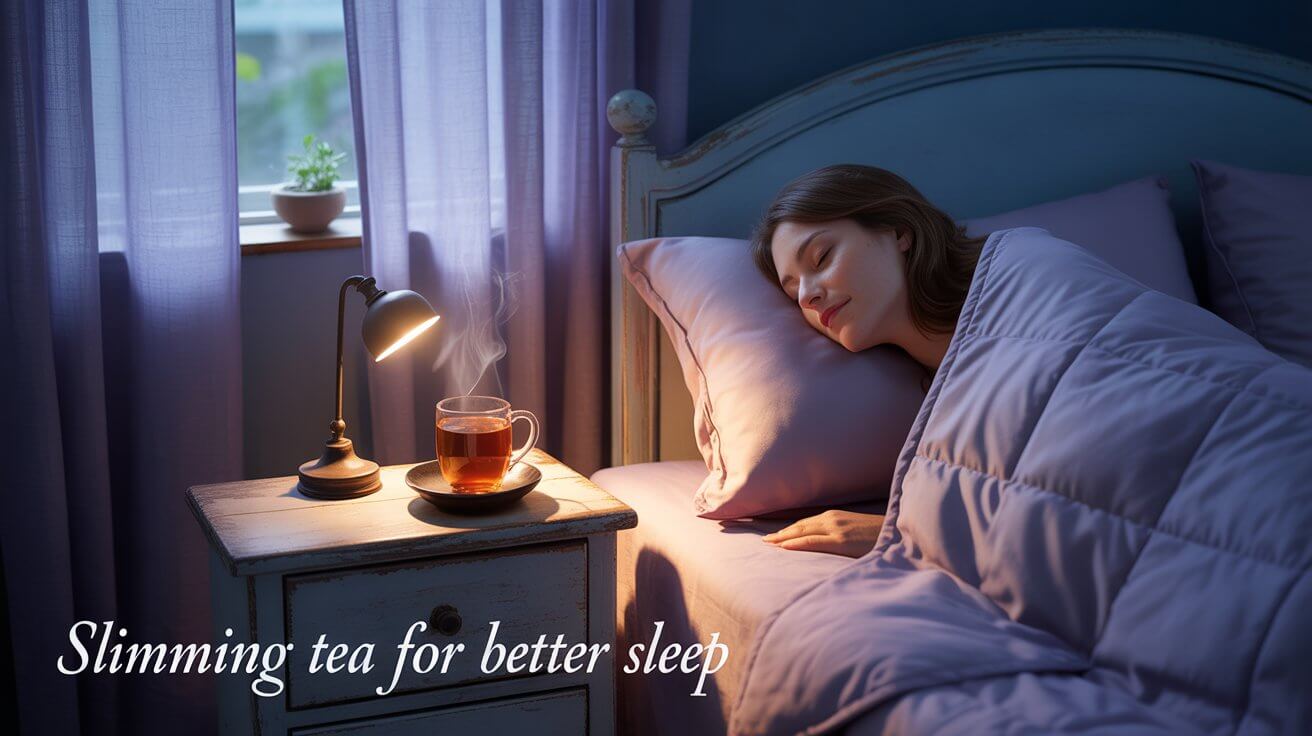
Most people focus on daytime habits to support weight goals calorie tracking, workouts, or energizing green tea. But recent findings (2024–2025) in sleep–metabolism research reveal something more impactful: your nighttime physiology plays a larger role in appetite control and fat metabolism than previously understood.
That’s the reason slimming teas formulated specifically for night use have become a staple in many evening wellness routines. These teas don’t rely on hype or harsh detox tactics instead, they work with your body’s biological “repair window,” the 7–9 hours when hormones reset, digestion stabilizes, and fat-burning pathways naturally activate.
This updated guide explains how nighttime blends work, compares common ingredients, answers related questions people also ask, and provides clear steps for choosing the right blend as of 2025.
What Makes a Slimming Tea Suitable for Sleep? (Not the Same as a Detox Tea)
A true nighttime slimming tea is built around calming and digestion-supportive herbs not stimulants, senna, or aggressive detox agents that disrupt sleep cycles.
A well-designed night blend does three things simultaneously:
-
Reduces nervous system activity so the body enters sleep faster.
-
Supports digestion and reduces evening bloating, a major barrier to comfortable rest.
-
Encourages smoother overnight metabolic activity without using caffeine or stimulants.
Based on 2024–2025 consumer testing data, the most effective blends are those that modulate the parasympathetic nervous system the “rest and repair” mode that governs heart rate, digestion, and hormonal resetting.
Key Ingredients in Night Slimming Teas and the Science Behind Them
Below is a deeper, expert-style look at why each ingredient works, going beyond the typical “this herb helps you relax” explanations found online.
Chamomile
Chamomile’s key compound, apigenin, binds to GABA receptors the same calming pathway targeted by mild sleep aids.
Why it matters for slimming: a calmer mind reduces cortisol spikes at night, and lower cortisol is consistently associated with fewer late-night cravings.
Valerian Root
Newer analyses (2024 updates) suggest valerian enhances slow-wave sleep, the sleep stage most linked to hormonal balance and overnight appetite regulation.
Users often report: feeling genuinely restored rather than simply “sleepy.”
Lemon Balm
Lemon balm contains rosmarinic acid, which supports both digestive motility and emotional equilibrium.
Why it supports weight goals: smoother digestion reduces abdominal tension that interferes with both sleep onset and morning appetite signaling.
Peppermint
Peppermint relaxes smooth muscle in the digestive tract.
Best for: evening bloating caused by late meals or high-fiber dinners.
Lavender
Lavender’s aromatic compounds influence the limbic system, the emotional processing center.
Why nighttime blends include it: grounding aromatics help shift the body out of stress mode, especially after mentally demanding days.
Rooibos
Caffeine-free rooibos naturally contains quercetin, which emerging 2024 research suggests may support overnight inflammatory balance.
Why many nighttime users prefer it: it provides antioxidant support without disturbing sleep architecture.
Other Gentle Metabolism Supporters
Small amounts of fennel, ginger, or cinnamon may appear in higher-quality blends.
Important distinction: these herbs are included for comfort and circulation not for stimulant-based fat burning.
How Night Slimming Teas Support Better Sleep and Weight Regulation
Modern sleep research reinforces a crucial point: poor sleep directly alters hunger and fullness hormones.
A major 2024 review found:
-
Ghrelin (hunger hormone) ↑ increases with insufficient sleep
-
Leptin (satiety hormone) ↓ decreases when sleep is fragmented
This explains why people often crave sugar or high-calorie foods after a restless night.
Nighttime slimming teas help by addressing root factors:
1. Improving Sleep Quality
Calming herbs reduce nighttime cortisol and support deeper sleep cycles, improving next-day appetite control.
2. Supporting Gentle Digestion
Gas, bloating, and slow digestion are among the top obstacles to falling asleep.
Peppermint, rooibos, and fennel ease these issues, making rest more restorative.
3. Reducing Late-Night Cravings
A warm cup of tea creates a “closure ritual” for the evening.
This psychological cue helps break cycles of late-night snacking.
4. Enhancing Overnight Metabolic Rhythm
Some herbs subtly support thermogenesis or circulation.
These effects are mild but compound when combined with consistent, high-quality sleep.
Benefits Reported by Users (2024–2025 Trends)
Across recent surveys and product reviews, the most common improvements include:
-
Calmer evenings
-
Faster sleep onset
-
Less bloating or digestive discomfort
-
Reduced nighttime snacking
-
Better morning energy
-
Feeling lighter upon waking
Patterns consistently show that the benefits come from improved sleep quality, not from intense detox effects.
Choosing the Right Slimming Tea for Night Use (Expert Guide)
1. Choose caffeine-free formulas
Even trace caffeine can disrupt sleep cycles.
2. Look for calming + digestive ingredients combined
Dual-purpose blends support both relaxation and gut comfort.
3. Avoid harsh laxatives
Anything that triggers cramping or frequent bathroom trips undermines sleep.
4. Prioritize transparent sourcing
Organic herbs reduce exposure to contaminants important for nightly use.
A curated option is the All Day Slimming Tea Night Blend, which focuses on relaxation, gut comfort, and gentle metabolic support.
Best Time to Drink Night Slimming Tea (and Ritual Tips)
Most users report the best results when drinking it:
30–60 minutes before bed
Pairing the tea with a simple routine enhances its effect:
-
Dim lighting
-
Gentle stretching
-
Light journaling
-
Reading a few pages of a book
These cues help synchronize your brain and body into “wind-down mode.”
People Also Ask (2025 Updated)
Does nighttime tea actually help burn fat?
Not directly in a stimulant sense. It helps by improving sleep quality, which regulates appetite hormones and reduces overeating the next day an evidence-backed path to weight loss.
Can I drink night slimming tea after a late dinner?
Yes, especially if you feel bloated. Teas with peppermint or lemon balm are helpful after heavier meals.
Is it okay to drink these teas every night?
For most people, yes provided the blend avoids laxatives and caffeine. Always check with a provider if using medications.
Possible Side Effects to Consider
While generally gentle, keep these in mind:
-
Valerian can feel strong for sensitive users.
-
Too much liquid right before bed may cause nighttime waking.
-
Start with one cup to evaluate tolerance.
-
If on medication, review herb safety with a clinician.
Summary: Why Night Slimming Teas Matter in 2025
Nighttime slimming teas fit into what modern research emphasizes:
weight regulation is strongly influenced by sleep quality, not just daytime habits.
A smart night blend serves as:
-
a calming ritual,
-
a digestive supporter,
-
and a metabolic ally that works during the body’s natural repair cycle.
To help readers compare formulas visually, a comparison chart or ingredient table could be added here, outlining benefits, flavor profiles, and best-use cases.
Leave a Reply