
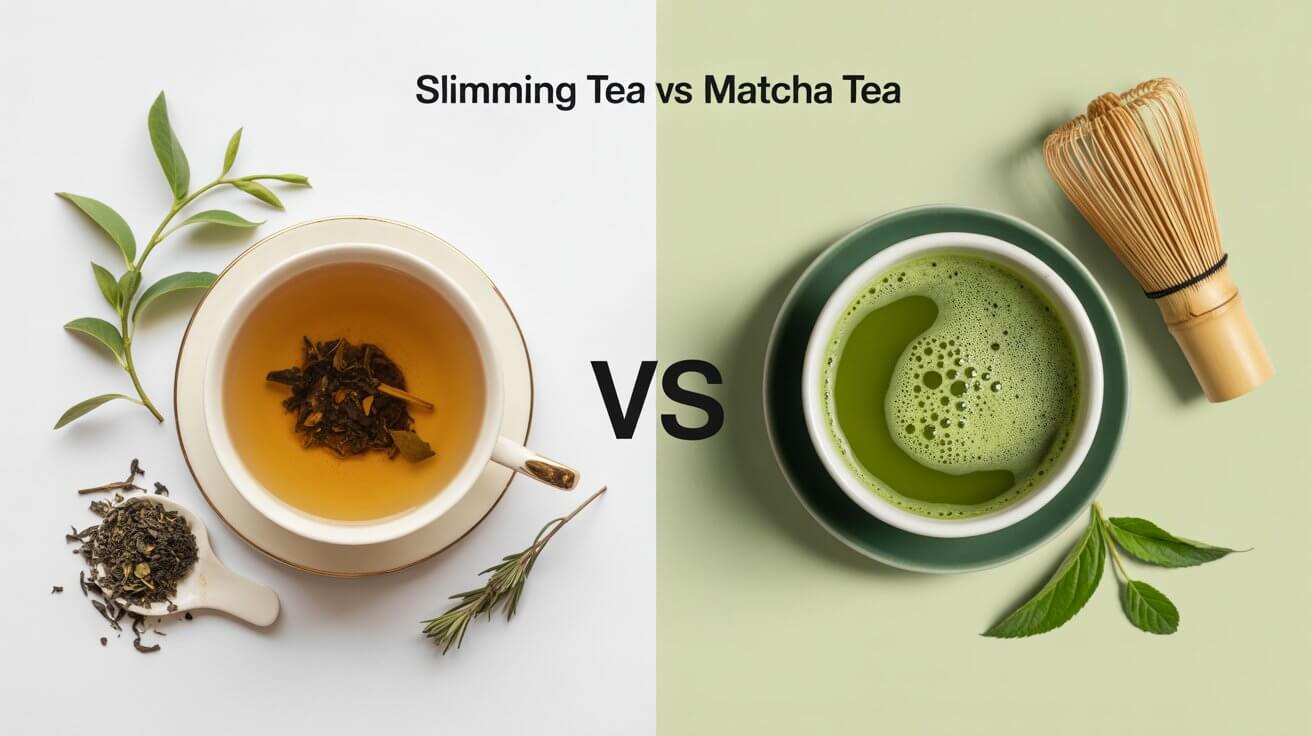
Tea remains one of the most popular wellness drinks in the world but not all teas are created equal. In recent years, slimming teas and matcha tea have both captured global attention for their supposed fat-burning and detoxifying powers. Yet as of 2025, the conversation around both has shifted: consumers now demand evidence-based benefits rather than marketing claims.
If you’re wondering which tea truly supports your weight goals slimming tea or matcha tea, this detailed comparison breaks down how each works, what science says, and which one might fit your lifestyle best.
What Exactly Is Slimming Tea?
Slimming tea typically combines herbal ingredients that target metabolism, digestion, and water retention. Common components include:
-
Green tea extract – boosts fat oxidation
-
Senna leaves – natural laxative effect
-
Ginger or oolong tea – supports thermogenesis
-
Dandelion root – reduces bloating and water weight
Unlike single-origin teas, slimming teas are blends designed for short-term results. Many users especially beginners in weight loss choose them for their simplicity and fast visible effects.
For example, All Day Slimming Tea, a popular natural blend, focuses on improving metabolism throughout the day while supporting digestion in the evening.
What Makes Matcha Tea Different?
Matcha tea is made from shade-grown green tea leaves finely ground into powder. The key difference? You consume the entire leaf, which means higher nutrient absorption compared to steeped green tea.
Matcha is rich in:
-
EGCG (Epigallocatechin Gallate) – a potent antioxidant linked to fat oxidation and anti-aging
-
L-theanine – promotes calm focus and balances caffeine stimulation
-
Chlorophyll and polyphenols – detoxify and support skin health
In 2024, a Nutrition & Metabolism study found that matcha increased fat oxidation by 17% during exercise, suggesting steady, long-term support for healthy weight management.
Slimming Tea vs. Matcha Tea: A Deeper Comparison
| Feature | Slimming Tea | Matcha Tea |
|---|---|---|
| Primary Function | Quick weight loss & detox | Long-term metabolism & focus support |
| Main Active Compounds | Herbal extracts (senna, oolong, ginger) | EGCG, caffeine, L-theanine |
| Best For | Reducing bloating, temporary weight drop | Sustainable weight management, energy, and focus |
| Consumption Safety | Short-term use recommended | Safe for daily use in moderation |
| Scientific Backing | Limited (varies by blend) | Strong (supported by multiple studies) |
How They Work: The Science Explained
Slimming Tea – Quick Metabolic Trigger
Slimming tea’s primary effects come from diuretic and thermogenic actions. Ingredients like senna and ginger help the body eliminate excess water and mildly raise temperature, leading to a temporary calorie burn.
However, most weight reduction from slimming tea is water loss, not fat breakdown. That’s why experts recommend using it only as a supportive aid, not a long-term substitute for diet and exercise.
Matcha Tea – Slow and Sustainable
Matcha promotes steady energy and fat oxidation due to its blend of natural caffeine and catechins. EGCG, in particular, helps the body convert stored fat into usable energy, while L-theanine prevents caffeine crashes making it ideal for long-term metabolism balance.
According to 2025 consumer surveys, many users who replaced coffee with matcha reported higher alertness and improved digestion within two weeks.
Pros and Cons: Updated for 2025
Slimming Tea Pros
-
Fast results within days (mostly from reduced bloating)
-
Aids digestion and reduces water retention
-
Great short-term detox for starting a weight loss journey
-
Convenient pre-measured sachets for daily use
Slimming Tea Cons
-
Weight loss is mostly temporary
-
Overuse can cause dehydration or dependence
-
Some blends lack clinical testing
-
Should be combined with healthy habits for real fat loss
Matcha Tea Pros
-
Supports sustained metabolism improvement
-
Loaded with antioxidants that protect cells from damage
-
Enhances focus and calm alertness (ideal for busy lifestyles)
-
Can replace coffee or sugary drinks for a cleaner energy source
Matcha Tea Cons
-
Higher caffeine content not ideal before bedtime
-
Premium-grade matcha can be expensive
-
Excess intake may strain the liver moderation is key
People Also Ask (2025 Insights)
1. Which tea is more effective for long-term fat loss?
Matcha tea has more scientific support for long-term metabolism regulation, while slimming tea primarily gives short-term, visible results.
2. Can you drink both slimming tea and matcha tea together?
Yes but timing matters. Drink matcha in the morning for energy and fat oxidation, and slimming tea in the evening for detox and digestion. Avoid excessive caffeine overlap.
3. Is slimming tea safe to drink daily?
Short-term use (7–10 days) is generally safe if the blend doesn’t contain harsh laxatives. Choose natural options like All Day Slimming Tea that balance metabolism without dependency.
4. What’s the best time to drink matcha for weight loss?
Morning or pre-workout is ideal studies show matcha before exercise enhances fat burning by up to 17%.
5. Does matcha help with skin glow and aging?
Yes. Matcha’s antioxidants and chlorophyll support detoxification and collagen protection, giving noticeable skin improvement over time.
Who Should Choose Which in 2025?
-
Choose Slimming Tea if:
You want a quick detox, visible waistline reduction, or short-term motivation to kickstart weight loss. -
Choose Matcha Tea if:
You prefer a daily health ritual that boosts focus, supports long-term metabolism, and aligns with a sustainable lifestyle.
Expert Opinion (2025 Outlook)
As wellness trends shift, natural metabolism support and clean ingredients are replacing extreme detox regimens. Nutritionists emphasize balance and consistency over short-term fixes meaning that matcha, used daily with mindful diet habits, delivers more sustainable results than any short-term slimming formula.
However, for individuals who struggle with bloating or slow digestion, periodic use of slimming tea can still complement a healthy lifestyle effectively.
Conclusion
In the battle of Slimming Tea vs. Matcha Tea, both have value but for different goals.
-
Slimming tea gives quick results and detox benefits, ideal for short-term use.
-
Matcha tea offers lasting energy, focus, and fat metabolism support for daily routines.
As of 2025, the smart approach isn’t choosing one over the other, it’s understanding how each can fit into a balanced, evidence-based wellness plan.
Leave a Reply