
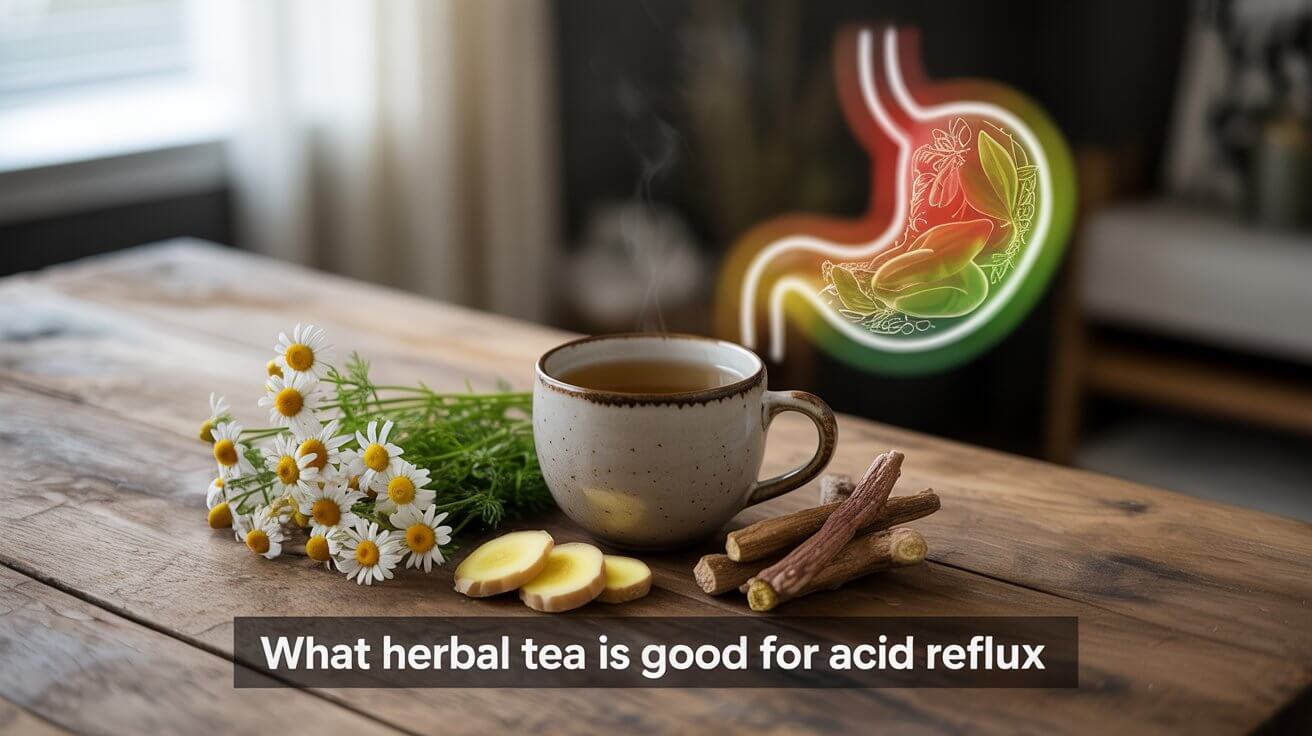
Acid reflux also known as heartburn or gastroesophageal reflux (GERD) is a common digestive issue that causes burning discomfort in the chest, bloating, and indigestion. While medications can help, many people prefer natural, caffeine-free remedies such as herbal teas to soothe their symptoms. But with so many options available, you might wonder: what herbal tea is good for acid reflux and which ones should you avoid?
In this expert guide, we’ll explore the best herbal teas for acid reflux, how they work, which teas can worsen symptoms, and practical tips for using tea to support your digestive health.
How Herbal Teas Help With Acid Reflux
Unlike coffee or black tea, herbal teas are typically low in acid and free from caffeine, both of which are known to trigger reflux. The right teas can:
-
Soothe inflammation in the esophagus and stomach lining
-
Reduce acid irritation and bloating
-
Support healthy digestion and gut motility
-
Promote relaxation, reducing stress-related reflux flare-ups
This makes herbal teas a gentle, natural addition to your acid reflux management plan.
Best Herbal Teas for Acid Reflux Relief
Here are five of the most effective herbal teas backed by both traditional use and modern wellness experts:
1. Chamomile Tea
Chamomile is one of the most popular herbal teas for heartburn and digestive discomfort. Its anti-inflammatory and antispasmodic properties help calm the stomach and relax the esophageal muscles. A warm cup before bedtime can ease nighttime reflux and promote restful sleep.
2. Ginger Tea
Ginger tea is a powerhouse for digestive health. It contains gingerols and shogaols, compounds that reduce inflammation and promote stomach emptying preventing acid buildup. For gentle relief, steep fresh ginger slices in hot water or use mild ginger tea bags.
3. Licorice Root Tea (DGL)
Licorice root tea can help coat and protect the esophagus, reducing irritation caused by acid. For safety, choose deglycyrrhizinated licorice (DGL), which removes compounds that can affect blood pressure. It’s a traditional and proven herbal remedy for heartburn relief.
4. Slippery Elm Tea
Slippery elm contains mucilage, a soothing, gel-like substance that lines the stomach and esophagus, protecting them from acid. This tea is often used by natural health practitioners to relieve GERD symptoms naturally.
5. Marshmallow Root Tea
Like slippery elm, marshmallow root tea forms a calming barrier in the digestive tract. It reduces irritation and supports overall gut comfort especially helpful for people with chronic reflux or frequent indigestion.
Teas to Avoid If You Have Acid Reflux
Not all herbal teas are reflux-friendly. Some can actually make symptoms worse:
-
Peppermint tea – Although it helps digestion, peppermint relaxes the lower esophageal sphincter (LES), allowing stomach acid to rise upward.
-
Caffeinated teas – Black tea, green tea, and yerba mate can increase acid production.
-
Citrus-based teas – Lemon, orange, or hibiscus teas are acidic and can trigger reflux in sensitive individuals.
How to Use Herbal Tea for Reflux Relief
To get the most benefit from herbal tea, follow these expert tips:
-
Drink tea 30–60 minutes after meals to help digestion.
-
Choose mild blends — avoid strong or overly spiced teas.
-
Skip sweeteners like sugar or honey, which may aggravate reflux.
-
Introduce one tea at a time to see how your body responds.
-
Drink slowly and mindfully, especially in the evening.
Lifestyle Tips to Complement Herbal Tea
Herbal tea works best when combined with lifestyle adjustments that minimize reflux triggers. Try to:
-
Eat smaller, balanced meals
-
Avoid lying down immediately after eating
-
Limit spicy, fatty, or acidic foods
-
Elevate your head while sleeping
-
Maintain a healthy body weight
If symptoms persist despite these measures, consult a healthcare professional to rule out underlying digestive issues.
Herbal Tea for Acid Reflux and Bloating Relief
Many people with acid reflux also struggle with bloating and sluggish digestion. Certain herbal blends can help with both. For example, All Day Slimming Tea combines metabolism-boosting and digestion-supporting herbs that reduce bloating and improve gut comfort without harsh laxatives or caffeine.
Switching to a balanced, gentle blend like this can promote a healthier metabolism while minimizing reflux flare-ups.
Final Thoughts
So, what herbal tea is good for acid reflux?
The best options include chamomile, ginger, licorice root, slippery elm, and marshmallow root tea all known for their soothing, protective, and anti-inflammatory properties.
Avoid teas that contain caffeine, peppermint, or citrus, as they can worsen heartburn. Combined with mindful eating and lifestyle habits, herbal teas can be a safe, natural, and effective way to manage acid reflux and support long-term digestive health.
Leave a Reply