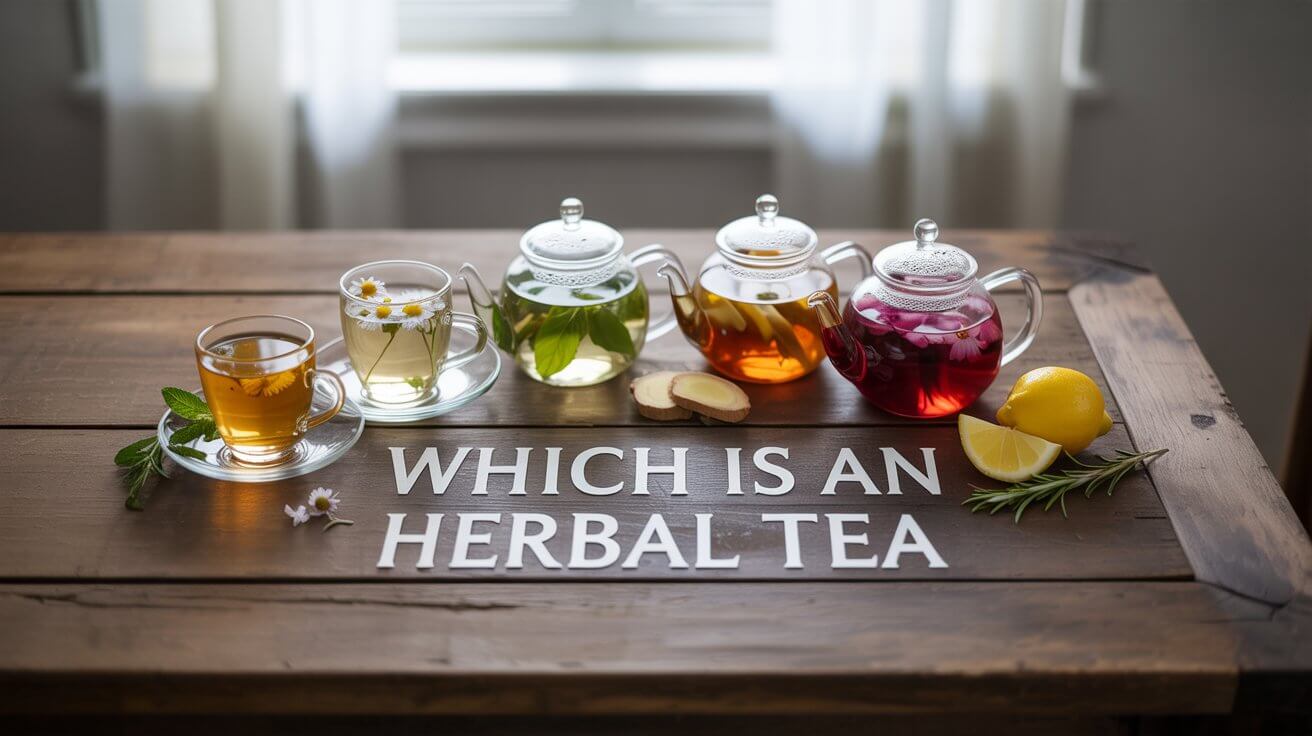
Herbal teas have become a cornerstone of wellness routines worldwide but not everyone knows exactly what makes a tea “herbal.” As the popularity of caffeine-free, plant-based beverages continues to grow in 2025, one common question still comes up: Which is an herbal tea, and how does it differ from traditional teas like green or black tea?
Understanding this difference is essential for anyone exploring teas for relaxation, digestion, detox, or weight management. Below, we’ll break down what herbal teas are, how they work, and which types offer the most proven health benefits based on recent research.
What Is Herbal Tea?
Herbal tea, also known as a tisane, is an infusion made from dried herbs, flowers, fruits, roots, or spices not from the Camellia sinensis tea plant (which produces green, black, oolong, and white tea).
Because herbal teas come from other plants, they are naturally caffeine-free (with a few exceptions like yerba mate or guayusa). This makes them ideal for people who want to enjoy a warm, soothing beverage without the energy spikes or crashes associated with caffeine.
Fun fact: According to a 2024 survey by the Tea & Herbal Association of the USA, more than 40% of daily tea drinkers now include at least one herbal tea in their wellness routine up from 28% in 2020.
Herbal Tea vs. Traditional Tea: What’s the Difference?
Many new tea drinkers confuse herbal teas with traditional teas, but the distinction lies in their plant source and chemical composition.
| Type | Source | Contains Caffeine? | Common Examples |
|---|---|---|---|
| Traditional Teas | Leaves of Camellia sinensis | ✅ Yes | Green Tea, Black Tea, Oolong, White Tea |
| Herbal Teas (Tisanes) | Herbs, flowers, roots, fruits | ❌ No | Chamomile, Peppermint, Ginger, Rooibos, Hibiscus |
Key takeaway:
-
Traditional teas focus on energy and antioxidants.
-
Herbal teas focus on wellness, relaxation, and natural therapy.
For example, green tea is not herbal because it comes from tea leaves but chamomile or peppermint tea are herbal since they’re made from non-tea plants.
Common Types of Herbal Teas (and Their Benefits)
If you’re wondering which teas qualify as “herbal,” here are some of the most popular varieties and their unique properties:
1. Chamomile Tea – The Sleep Enhancer
Chamomile is one of the most recognized herbal teas worldwide. It’s known for promoting relaxation and better sleep, thanks to its natural antioxidant compound, apigenin, which binds to brain receptors that reduce anxiety.
2. Peppermint Tea – The Digestive Soother
Refreshing and cooling, peppermint tea helps relieve bloating, indigestion, and nausea. It’s also rich in menthol, which can help open airways and support focus.
3. Ginger Tea – The Metabolic Booster
Ginger tea adds a warm, spicy kick while supporting metabolism and fat burning. Research from 2024 in Frontiers in Nutrition found that daily ginger tea consumption may help regulate blood sugar and improve gut motility reasons it’s often included in slimming tea blends.
4. Hibiscus Tea – The Heart Protector
This tart, ruby-red tea is rich in anthocyanins, antioxidants that may help lower blood pressure and support heart health. Its vibrant color also makes it popular for iced tea recipes.
5. Rooibos Tea – The Antioxidant All-Rounder
Native to South Africa, rooibos is naturally sweet, caffeine-free, and packed with polyphenols that support skin and immune health.
6. Lemon Balm Tea – The Stress Reliever
Known for its light, lemony taste, lemon balm is often used to reduce stress, anxiety, and restlessness, making it a bedtime favorite.
Pro Tip: Try mixing two herbal teas (like chamomile + peppermint) to create a customized functional blend that targets multiple health goals.
Herbal Tea Benefits (Based on 2025 Findings)
Beyond their pleasant taste, herbal teas deliver measurable wellness benefits. Modern research highlights their role in digestion, immunity, and natural detoxification.
| Benefit | Best Herbal Teas | How It Works |
|---|---|---|
| Digestion & Gut Health | Peppermint, Ginger, Fennel | Relaxes the GI tract and reduces bloating |
| Relaxation & Sleep | Chamomile, Lemon Balm, Lavender | Promotes calm and reduces cortisol levels |
| Immunity & Detox | Hibiscus, Dandelion, Rooibos | Supports liver function and flushes toxins |
| Weight Management | Ginger, Peppermint, Slimming Blends | Boosts metabolism and fat oxidation |
Herbal Teas for Specific Wellness Goals
Whether you’re seeking calm, energy, or detox, herbal teas can be tailored to your goals:
For Weight Management
Herbal teas like ginger, peppermint, and slimming blends that include green or oolong tea support metabolism naturally.
A balanced option is All Day Slimming Tea, a gluten-free blend combining green tea, oolong, and herbs designed for fat-burning, digestion, and sustained energy.
You can read more in Which Tea Helps with a Flat Tummy?.
For Relaxation & Sleep
Chamomile, lemon balm, and lavender teas help unwind the nervous system perfect for nighttime routines or stress relief during the day.
For Detox & Hydration
Dandelion root, hibiscus, and rooibos teas assist in flushing toxins, improving liver function, and maintaining hydration, especially after workouts.
People Also Ask (2025 Quick Answers)
Is green tea an herbal tea?
No. Green tea comes from Camellia sinensis, so it’s a traditional tea, not an herbal one.
Are herbal teas caffeine-free?
Most are. Herbal teas like chamomile and peppermint are naturally caffeine-free, but blends containing yerba mate or guayusa may have mild caffeine.
Can you drink herbal tea daily?
Yes most herbal teas are safe for daily use, especially those focused on digestion, relaxation, or detox.
Which herbal tea is best for weight loss?
Blends containing ginger, oolong, and green tea (like All Day Slimming Tea) are most effective for supporting fat metabolism naturally.
Conclusion
So, which is an herbal tea?
Any infusion made from herbs, flowers, roots, or fruits rather than tea leaves qualifies as herbal tea. These caffeine-free, nutrient-rich blends offer diverse benefits, from calmness and better digestion to metabolism and detox support.
As of 2025, herbal teas aren’t just a soothing drink they’re a daily wellness habit. Whether you sip peppermint for digestion, chamomile for sleep, or a slimming herbal blend for energy, there’s an herbal tea that aligns perfectly with your health goals.
Leave a Reply