Herbal teas are among the world’s most loved natural beverages, often associated with relaxation, digestion, and detoxification. From calming chamomile to metabolism-boosting peppermint, they’re seen as wholesome and gentle.
But here’s the truth “natural” doesn’t always mean risk-free.
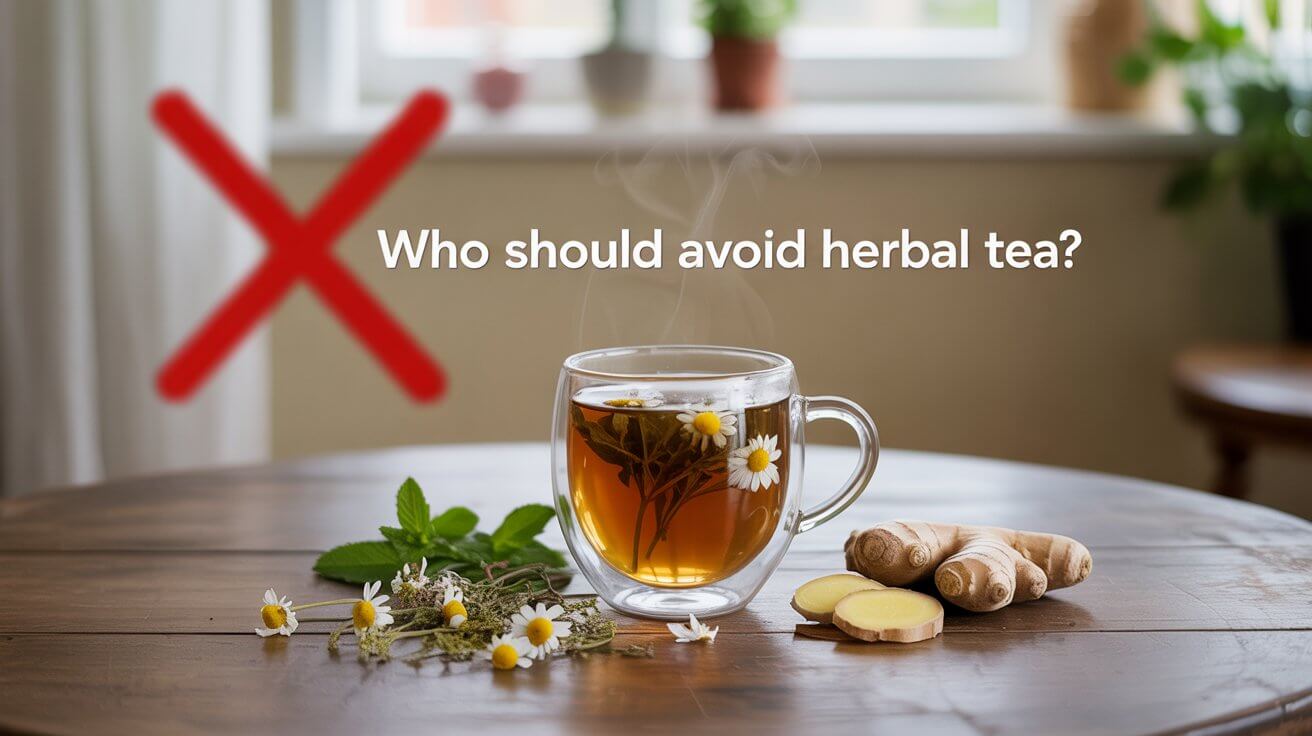
Recent studies (2024–2025) have revealed that some herbal ingredients can interact with medications, alter hormones, or irritate the digestive system. So, who exactly should avoid herbal tea, and why? Let’s explore the science, expert insights, and safer alternatives.
Why Herbal Tea Isn’t Always Safe for Everyone
Most herbal teas deliver valuable antioxidants and anti-inflammatory compounds, helping the body combat oxidative stress. However, herbs are bioactive substances meaning they can influence the body in the same way drugs do.
In 2025, the global herbal tea market exceeded $3.5 billion (Statista), showing how widespread daily use has become. But overuse and lack of regulation make adverse reactions more common than ever. Many consumers mix multiple blends without realizing the cumulative impact on the liver, hormones, or gut microbiome.
Expert note: Based on clinical reviews, people who experience fatigue, hormonal imbalances, or stomach upset after drinking tea may be reacting to specific herbal compounds not caffeine or dehydration, as often assumed.
Who Should Avoid Herbal Tea and Why
Even mild herbs can be unsafe under the wrong conditions. Below are the key groups that should proceed with caution:
1. Pregnant and Breastfeeding Women
During pregnancy, some herbs like hibiscus, sage, or pennyroyal can stimulate uterine contractions or alter hormone levels.
A 2024 Journal of Maternal Health study warned that certain herbal teas might increase miscarriage risk or interfere with fetal development.
While teas such as ginger or rooibos are generally considered safe in moderation, strong detox or slimming blends should be strictly avoided.
Tip: Always consult your obstetrician before drinking any herbal infusion while pregnant or nursing.
2. Children and Adolescents
Children’s metabolic systems are far more sensitive to caffeine and herbal compounds. Herbal teas containing senna, dandelion, or yerba mate can cause dehydration, diarrhea, or sleep issues.
Doctors recommend offering only mild, caffeine-free teas and only under supervision.
3. People with Allergies
If you have pollen or ragweed allergies, you might react to teas made from flowers such as chamomile, echinacea, or hibiscus. These can trigger rashes, sneezing, or even throat irritation.
Always read ingredient lists carefully many commercial blends combine 5–10 herbs, making it difficult to identify allergens.
4. People on Medication
This is the most critical category. Herbal teas can interfere with how your body absorbs or processes prescription drugs. For instance:
| Herb | Interaction Risk | Commonly Affected Drugs |
|---|---|---|
| St. John’s Wort | Alters liver enzyme activity | Antidepressants, birth control, anxiety meds |
| Ginseng | Raises blood pressure | Blood pressure medications |
| Licorice Root | Depletes potassium | Diuretics, corticosteroids |
| Ginger | Thins blood | Anticoagulants like warfarin |
Why it happens: Herbs impact CYP450 liver enzymes, which regulate drug metabolism. Even mild teas can amplify or reduce medication effects a serious issue for chronic illness patients.
5. Individuals with Digestive Issues
Many slimming or detox teas rely on senna, cascara, or rhubarb root natural laxatives. While these may offer short-term relief, they can irritate the intestines and cause dependency.
A 2025 Gastroenterology Research Forum review found that habitual use of laxative teas increased IBS flare-ups in 40% of participants.
For those with gut sensitivity, choose balanced blends such as All Day Slimming Tea formulated to support digestion without harsh stimulant herbs.
6. People with Bleeding or Clotting Disorders
Herbal teas like ginger, garlic, or ginkgo biloba naturally thin the blood. When combined with anticoagulants or before surgery, this may raise bleeding risk.
Doctors recommend stopping such teas two weeks before any medical procedure.
Hidden Side Effects of Drinking Too Much Herbal Tea
Even healthy adults can experience side effects from excessive use. Common issues include:
-
Nausea or stomach cramps
-
Diarrhea and dehydration
-
Hormonal fluctuations (especially from licorice or fennel teas)
-
Headaches and dizziness
-
Nutrient loss from frequent detox or laxative teas
Visual idea: A comparison chart “Common Herb vs. Side Effect Severity” could help readers spot risky ingredients at a glance.
Safer Herbal Tea Alternatives (2025 Recommendations)
If you want the benefits of herbal teas without the risks:
-
Choose lab-tested, caffeine-free, and laxative-free blends.
-
Rotate tea types to avoid buildup of one compound.
-
Stick to 2–3 cups daily and hydrate with water.
-
Explore All Day Slimming Tea a modern, balanced blend crafted for metabolism and digestive health, free from harsh laxatives.
Final Thoughts
Herbal teas can support wellness, but they’re not universally safe. Pregnant women, children, allergy sufferers, people on medication, and those with gut or bleeding disorders should proceed carefully.
As of 2025, experts emphasize quality, moderation, and medical consultation before long-term herbal use. When chosen wisely, herbal teas can still deliver comfort and health benefits minus the unwanted risks.
Leave a Reply